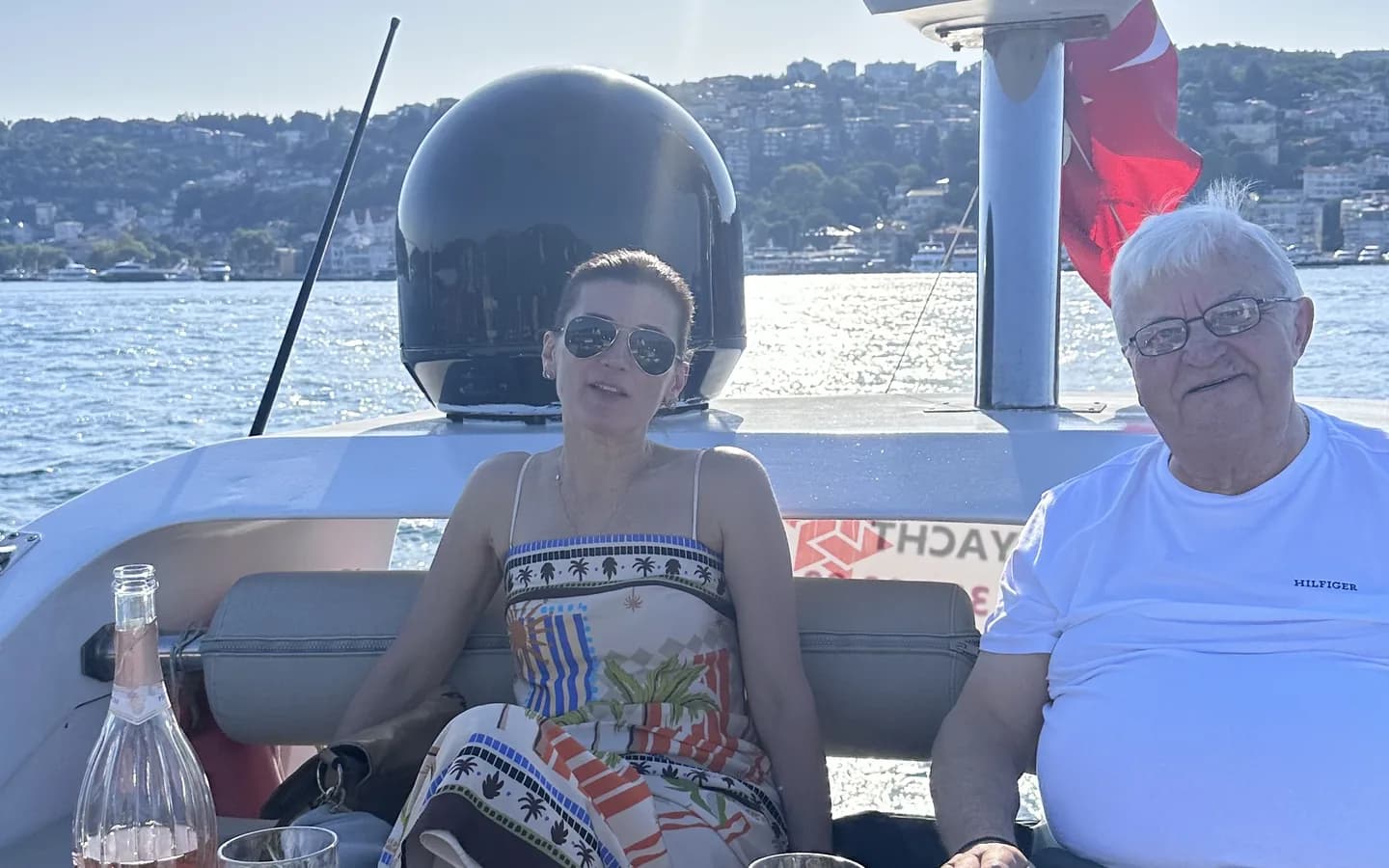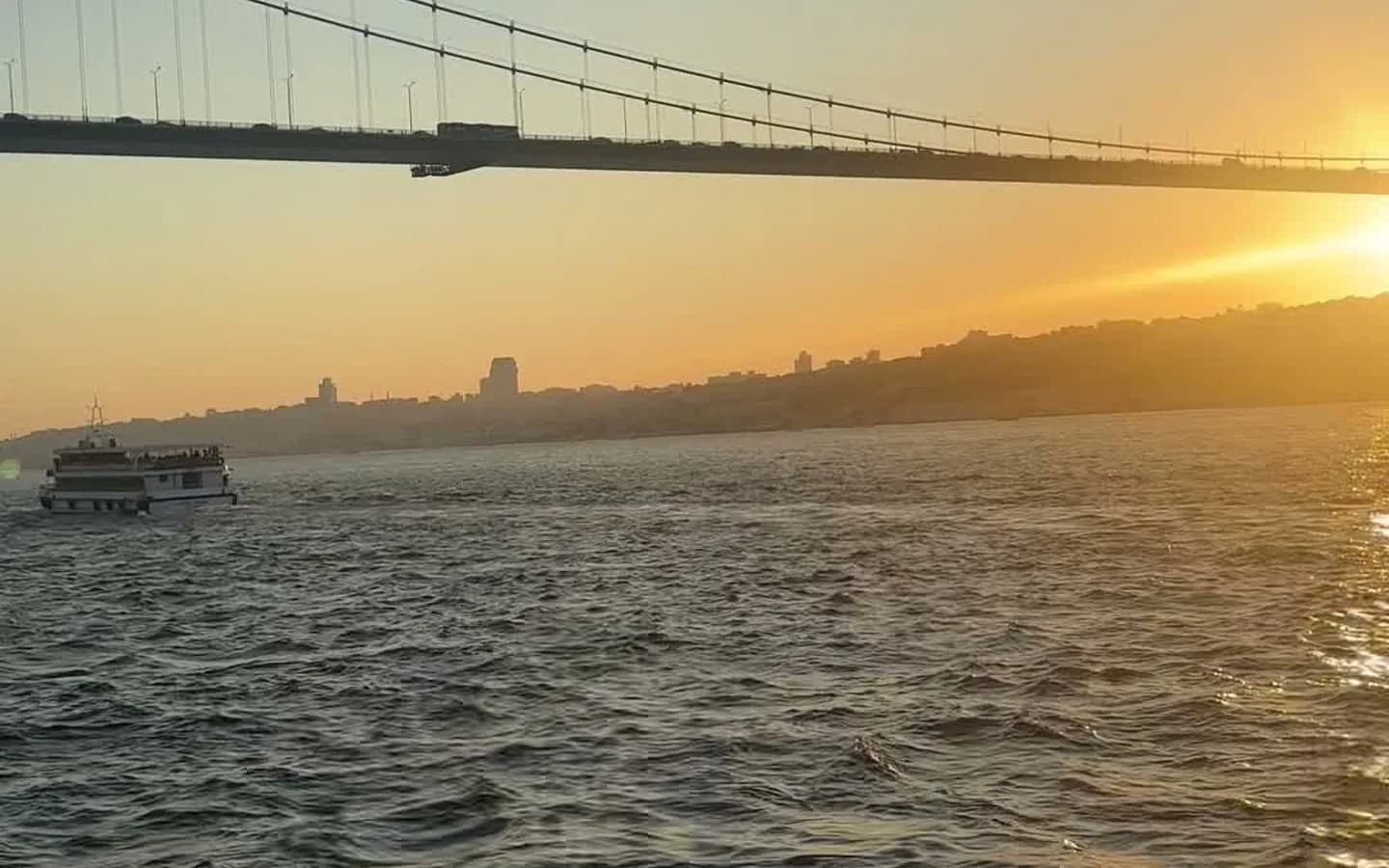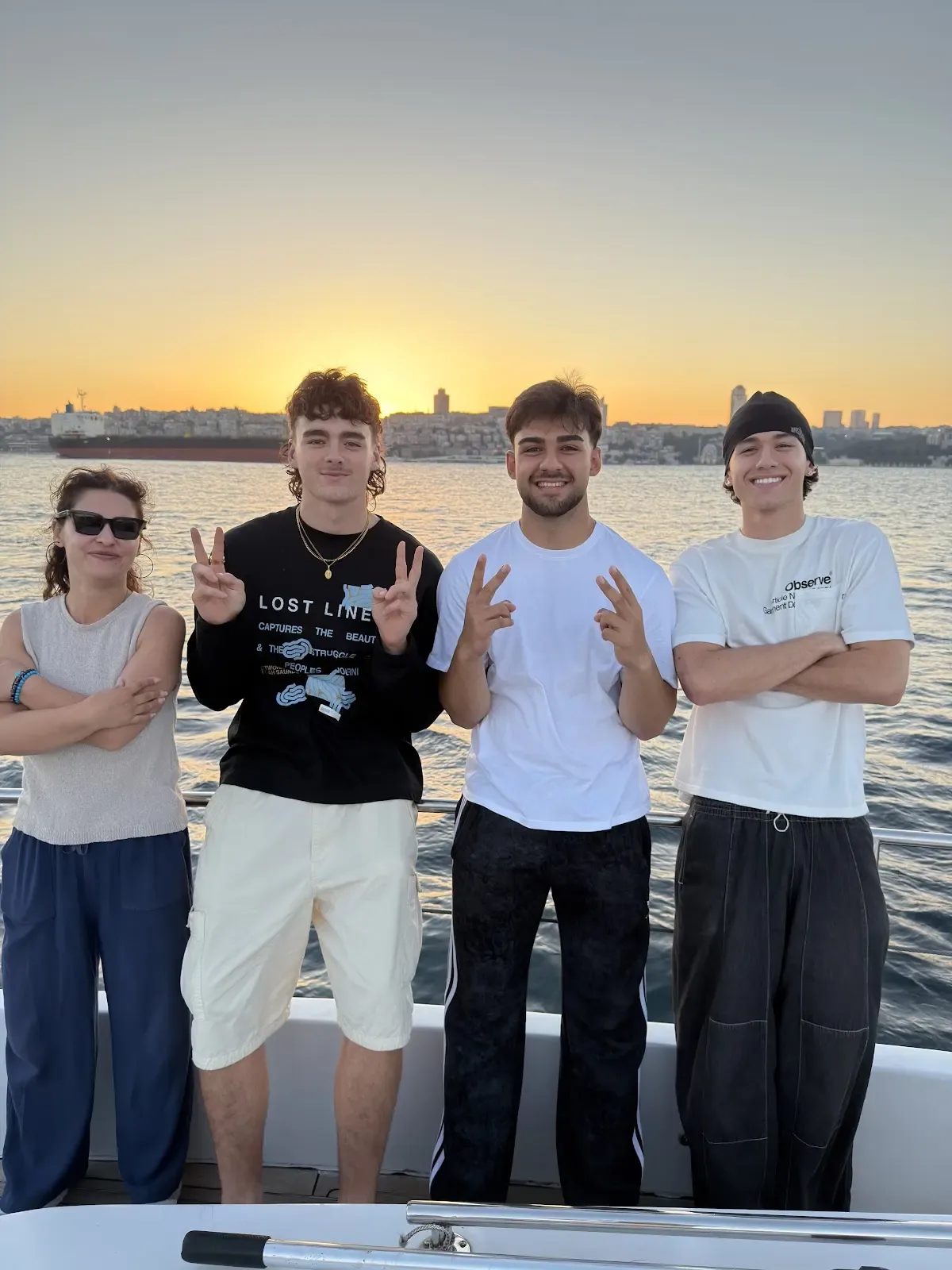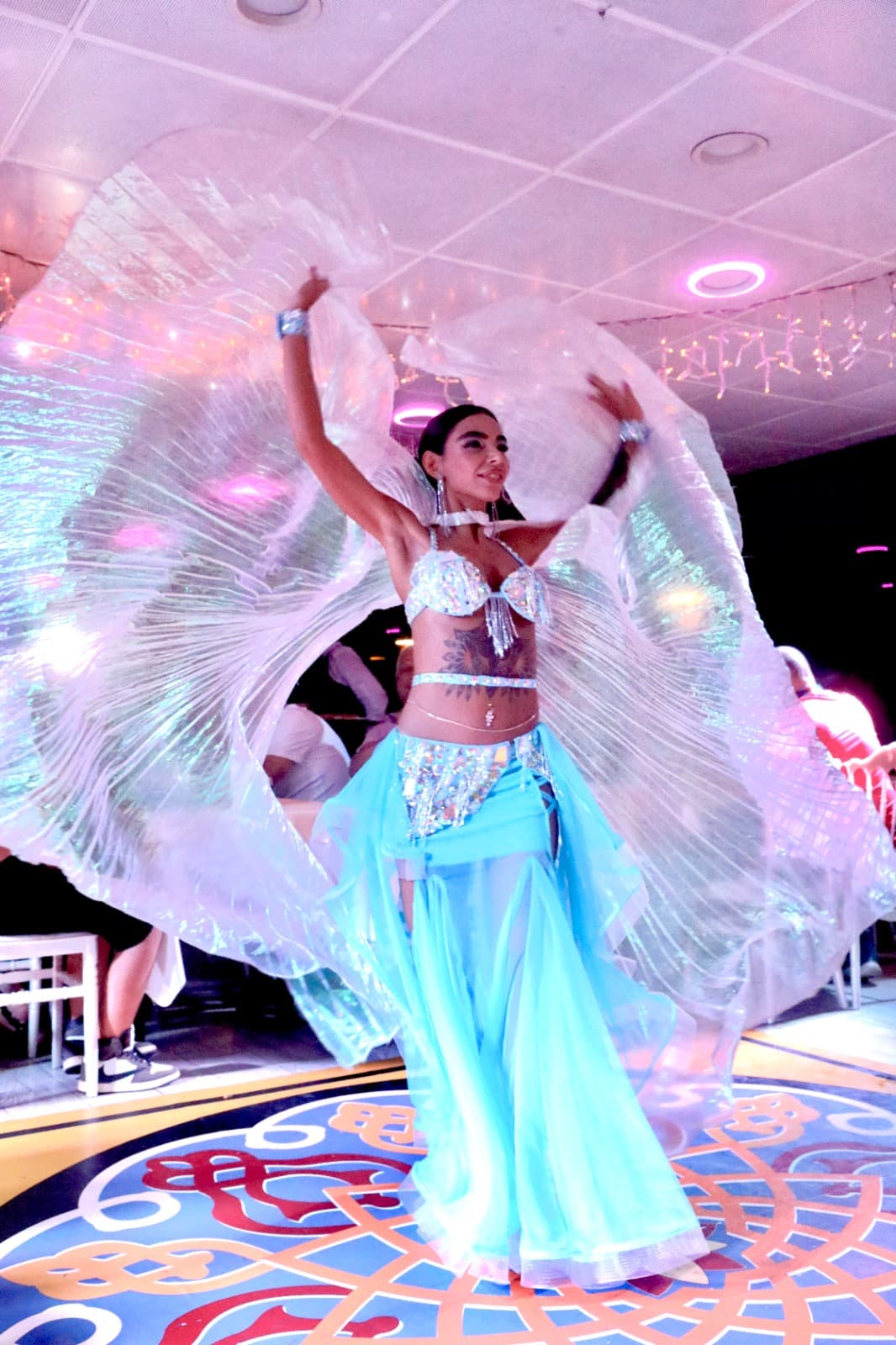
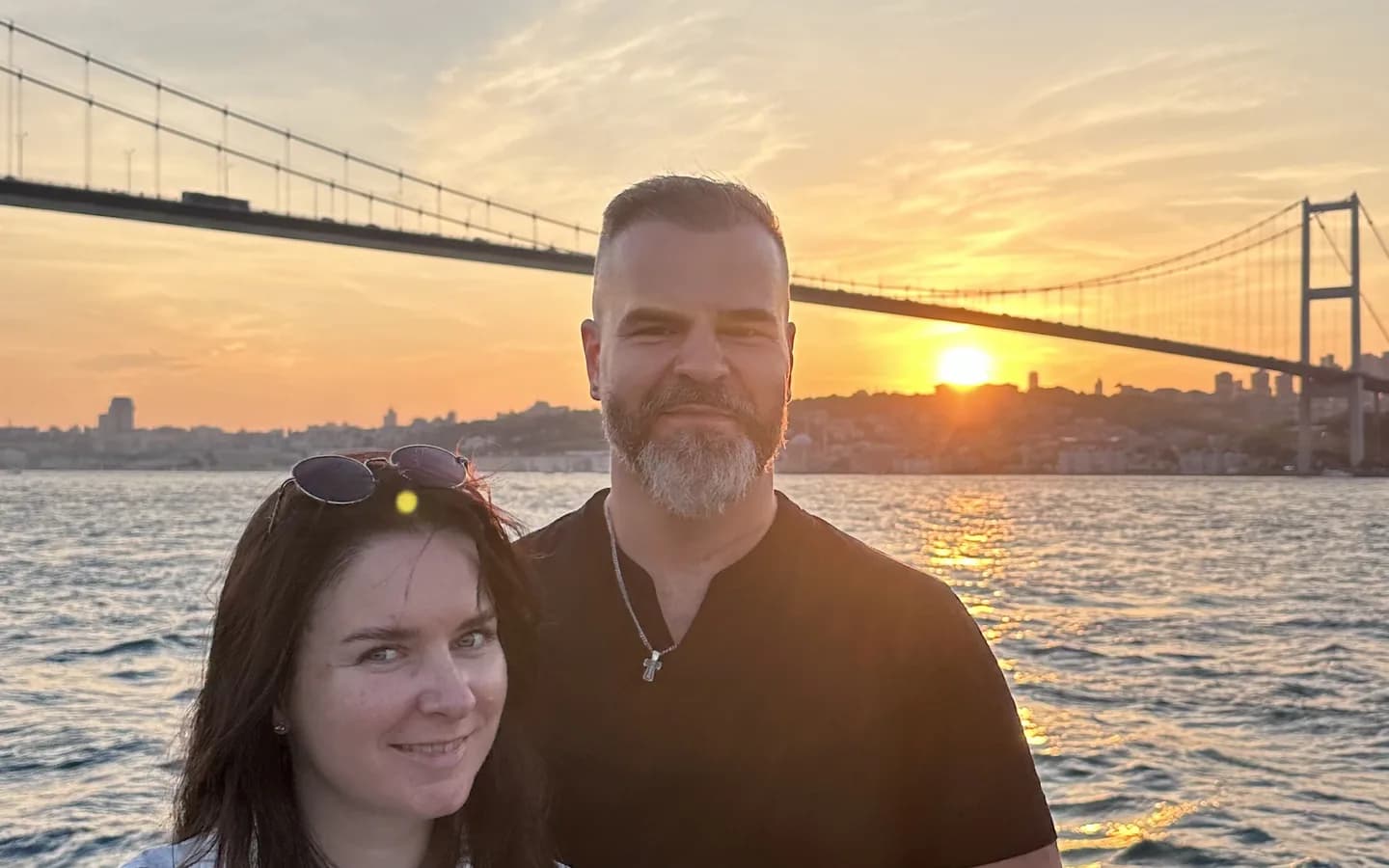
The Bosphorus transforms so dramatically throughout the day that choosing your cruise time is almost as important as choosing the cruise itself. A morning departure, a golden-hour sunset sail, and a nighttime dinner cruise deliver three fundamentally different experiences on the same waterway — each with distinct advantages. Morning cruises (typically 9-11 AM) reveal the Bosphorus at its most peaceful. The water is calmest before midday winds build, visibility is at its peak in the clear morning air, and tourist crowds have not yet gathered at the piers. Morning light is even and flattering for photography — architectural details on the palaces and mosques are sharply defined without the harsh shadows of midday. This is the ideal time for families with young children (energy levels are highest, temperatures are comfortable), serious photographers who want clean, well-lit images, and visitors who want to keep their afternoon and evening free for other Istanbul activities. Sunset cruises (departing 2-3 hours before sunset) are the most popular option for good reason. The golden hour on the Bosphorus — when the low-angle sun illuminates the minarets of Suleymaniye Mosque, gilds the facade of Dolmabahce Palace, and turns the water to liquid copper — is routinely cited by travel photographers as one of the top 10 sunset locations in the world. Istanbul averages 185 clear or partly cloudy evenings per year, giving better than even odds of a spectacular sky. The emotional arc of a sunset cruise — bright afternoon energy transitioning through golden hour to reflective twilight — is uniquely satisfying. Night cruises (dinner cruises departing after dark) showcase a completely different Istanbul. The illuminated waterfront — bridges cycling through rainbow colours, palace facades lit in warm amber, mosque domes glowing against the dark sky — creates a spectacular light show that photographs can never fully capture. The night cruise adds dining, entertainment, and cultural performance to the equation, making it the most comprehensive single experience. The honest answer to which is best is that it depends on your priorities.
Best Time for a Bosphorus Cruise — Morning vs Sunset vs Night
Discover the ideal time of day, month, and season for your Bosphorus cruise in Istanbul. This guide covers morning vs sunset vs night cruises, monthly weather patterns, photography conditions, and seasonal events to help you plan the perfect trip.
Captain Ahmet Yılmaz
TURSAB Licensed, 25+ years maritime experience
Key Takeaways
- Sunset cruises (departing 2-3 hours before sunset) consistently deliver the most spectacular Bosphorus experience — golden light on Ottoman palaces is unmatched
- September and May are the single best months overall: warm weather (20-25 degrees Celsius), dramatic skies, and 30-40% fewer tourists than July-August peak
- Morning cruises (9-11 AM) offer the calmest water, clearest visibility, and fewest crowds — ideal for photography and families with young children
- Winter cruises (November-March) are 15-25% cheaper with identical quality — dinner cruises are indoors and fully heated regardless of season
- Golden hour shifts by nearly 4 hours across the year: 16:30 in December to 20:30 in June — always check sunset time before booking
Morning, Sunset, or Night — Which Bosphorus Cruise Is Best
| Time Slot | Best For | Light Quality | Crowd Level | Temperature | Price From |
|---|---|---|---|---|---|
| Morning (9-11 AM) | Photography, families, clear views | Even, sharp detail | Low | Comfortable | EUR 15 |
| Midday (12-3 PM) | Landmark spotting, lunch cruises | Bright, high contrast | Medium | Warmest | EUR 15 |
| Sunset (2-3 hrs before) | Romance, photography, atmosphere | Golden, dramatic | High | Cooling | EUR 20 |
| Night (after dark) | Dining, entertainment, illumination | Artificial, spectacular | Medium-High | Cool | EUR 65 |
Monthly Weather Guide for Bosphorus Cruises
Istanbul's climate is shaped by the meeting of the Black Sea and Mediterranean weather systems, with the Bosphorus strait acting as a corridor between them. Understanding the monthly weather patterns helps you choose the optimal time for your cruise. January and February are the coldest months (average 5-8 degrees Celsius) with the highest rainfall (90-100mm per month). The northeasterly poyraz wind can create choppy conditions on exposed sections of the strait, though wave heights rarely exceed 1 metre. Despite the cold, these months offer the most atmospheric Bosphorus views — misty mornings, dramatic cloud formations, and the occasional dusting of snow on the Asian hillsides create scenes that regular visitors treasure. March marks the transition to spring with temperatures climbing to 10-14 degrees and rainfall beginning to decrease. The Bosphorus waterfront comes alive with early blooms, and tourist numbers are still low. April brings the famous Istanbul tulip festival — millions of tulips bloom across parks and gardens visible from the water, including the iconic Emirgan Grove on the European shore. Temperatures reach 14-18 degrees, and the Judas trees that line the Bosphorus hillsides erupt in vivid pink-purple. May is arguably the single best month for a Bosphorus cruise: warm (18-23 degrees), relatively dry (38mm rainfall), long days (sunset around 20:00), moderate tourist numbers, and the landscape at peak spring beauty. June through August is peak summer — temperatures of 25-35 degrees, minimal rain, and the longest daylight hours. The Bosphorus is alive with maritime traffic, sunsets happen late (20:30 in June), and the warm evenings are ideal for open-deck dining. The trade-off is peak crowds and prices. September delivers summer warmth (22-27 degrees) with thinning crowds — tourist numbers drop approximately 30% from the August peak. The atmospheric conditions in September and October produce the most dramatic sunsets of the year, with vivid orange, crimson, and purple skies that professional photographers plan trips around. October through November brings the autumn transition: temperatures cool (12-18 degrees), rainfall increases, and the deciduous trees along the Bosphorus turn gold and red. Prices soften, availability improves, and the moody autumn light gives the strait a completely different character from its sun-drenched summer persona.
| Month | Avg Temp | Rainfall | Sunset Time | Crowd Level | Cruise Rating |
|---|---|---|---|---|---|
| January | 5-8°C | 95mm | 17:00 | Very Low | Good (atmospheric) |
| February | 5-9°C | 85mm | 17:30 | Very Low | Good (atmospheric) |
| March | 8-13°C | 65mm | 18:15 | Low | Good |
| April | 12-18°C | 46mm | 19:15 | Low-Medium | Very Good (tulips) |
| May | 17-23°C | 38mm | 20:00 | Medium | Excellent |
| June | 22-28°C | 34mm | 20:30 | High | Excellent |
| July | 25-30°C | 18mm | 20:20 | Very High | Very Good (hot) |
| August | 25-30°C | 22mm | 19:50 | Very High | Very Good (hot) |
| September | 21-27°C | 44mm | 19:00 | Medium-High | Excellent |
| October | 15-20°C | 62mm | 17:45 | Medium | Excellent (sunsets) |
| November | 10-15°C | 85mm | 16:45 | Low | Good (value) |
| December | 7-10°C | 98mm | 16:30 | Very Low | Good (festive) |
“İstanbul'un deniz iklimi, Boğaz turları için yılın büyük bölümünde elverişlidir. Nisan-Haziran ve Eylül-Ekim dönemleri hem hava hem de deniz koşulları açısından idealdir. Kış aylarında ise kapalı salon turları konforlu bir alternatif sunar.”
Golden Hour and Sunset Times Throughout the Year
The golden hour — the period roughly 30-60 minutes before and after sunset when the sun sits low on the horizon and bathes everything in warm, directional light — is the single most important timing factor for Bosphorus cruise photography and atmosphere. On the Bosphorus, golden hour has a special quality that photographers worldwide recognize. The strait runs roughly north-south, which means the setting sun illuminates the European shore's Ottoman architecture in warm side-light while the Asian hillsides catch the last direct rays. Water vapour from the strait, combined with the urban atmospheric haze, scatters the light to produce sunsets that are measurably more vivid than inland locations. Understanding how sunset times shift through the year is essential for booking the right departure. In late December, sunset arrives at approximately 16:30 — winter dinner cruises depart early and return by 21:00. By late March, sunset has shifted to 18:30, and the equinox light creates balanced illumination across both shores. Late June brings the latest sunsets at approximately 20:30, meaning sunset cruises depart at 18:00-18:30 and return well after dark. The autumn equinox in September brings sunset back to approximately 19:00, and by late October it has retreated to 17:30. For photography specifically, the 20-30 minutes immediately after sunset — the blue hour — produce equally stunning images. The sky retains colour while the bridge illumination and palace floodlights switch on, creating a dual-lit scene that is uniquely photogenic. Many photographers consider the 15-minute window when natural golden light and artificial illumination overlap as the single most valuable photographic moment on the Bosphorus. If photography is a priority, book a sunset cruise or a yacht charter timed so you are positioned mid-strait during this transition. The view from between the two bridges, facing south toward the Old City skyline, is the classic money shot — and it looks different in every season.
Captain's Insight
“For the absolute best sunset photography position: request the starboard (right) side of the vessel during the outbound leg when heading north. This faces the European shore where the major palaces catch the golden light. On the return heading south, switch to port (left) for the illuminated bridge views. On private yachts, ask the captain to slow down or briefly stop during the golden-to-blue hour transition.”
Crowd Levels — When the Bosphorus Is Quiet vs Packed
Crowd levels on the Bosphorus follow predictable patterns that directly affect your cruise experience. Understanding these patterns lets you choose a time when you will have more deck space, better views, shorter queues at the pier, and a more relaxed atmosphere. The weekly pattern is consistent year-round: Friday through Sunday are the busiest days, with Saturday evening dinner cruises often selling out entirely during summer. Tuesday through Thursday are the quietest weekdays — some operators report 40% fewer bookings on these days compared to weekends. Monday is moderate. The seasonal pattern is equally clear. July and August are peak months, when Istanbul receives approximately 4.5 million visitors combined. The Bosphorus piers at Eminonu are at their busiest, with multiple operators competing for attention and queues forming for popular departures. June and September are busy but manageable — crowds are present but not overwhelming, and advance booking of 3-5 days is usually sufficient. April, May, and October represent the sweet spot: enough visitors to create a lively atmosphere, but deck space is ample, views are unobstructed, and spontaneous same-day booking is often possible. November through March sees the lowest tourist numbers. Some weekday cruises operate at 40-60% capacity, which means more personal space, more attention from crew, and a more intimate experience. The daily pattern matters too. Midday departures (11 AM-2 PM) tend to be the busiest for sightseeing cruises because they fit conveniently into standard tourist itineraries. Early morning (9-10 AM) and late afternoon departures are typically quieter. For dinner cruises, the first seating is usually busier than late seatings where available. Ramadan (dates shift annually based on the Islamic calendar) affects crowd patterns differently — domestic tourism shifts, but international visitor numbers remain stable. Public holidays, particularly the Eid celebrations at the end of Ramadan and in mid-summer, see heavy domestic travel, making piers and boats busier than usual.
Pro Tip
The quietest possible Bosphorus cruise experience: a Tuesday or Wednesday morning departure in November. You will have the deck nearly to yourself, the moody winter light is atmospheric, and prices are at their annual lowest. Bring a warm coat and enjoy the solitude.
TURSAB Licensed Since 2001 — Best Price Guaranteed
Ready to Book Your Bosphorus Experience?
Photography Tips for Every Time of Day
The Bosphorus is one of the most photographed waterways in the world, and the quality of your images depends heavily on when you shoot. Here are time-specific photography tips gathered from professional photographers who work on the strait. Morning (9-11 AM): The light is soft and even, with no harsh shadows. This is the best time for architectural photography — details on palace facades, mosque tile work, and fortress stonework are crisp and well-defined. The water is typically calm, producing clean reflections. Use a polarising filter to cut glare and deepen the blue of the sky and water. The European shore faces east and catches the morning sun directly — shoot from the Asian-shore side of the vessel for front-lit palace views. Midday (12-3 PM): The overhead sun creates harsh shadows on building facades but produces the most vivid water colour — the Bosphorus shifts from deep blue to turquoise near the shoreline. Midday is best for wide-angle establishing shots that capture the full sweep of the strait, and for underwater photography if you are on a yacht with a swimming stop. Use a lens hood to reduce flare. Golden Hour (1 hour before sunset): This is prime time. The low-angle sun creates warm side-light on the European shore, long shadows that add depth, and reflections on the water that range from gold to copper. Shoot at a slightly underexposed setting to preserve the rich colours. Telephoto lenses (70-200mm) are valuable for isolating individual landmarks against the coloured sky. The Ortakoy Mosque framed by the Bosphorus Bridge arch is the signature golden-hour composition. Blue Hour (30 minutes after sunset): The sky retains colour while artificial lights switch on, creating a dual-lit scene. This is the most technically challenging but most rewarding time — use a higher ISO (800-1600) and image stabilisation, as the fading light requires slower shutter speeds. The bridge colour-change cycles are most visible during blue hour. Night (after dark): The illuminated Bosphorus is spectacular but requires specific techniques. Use a higher ISO (1600-3200), wide aperture (f/2.8-f/4), and stabilise against the vessel railing. Light trails from passing ferries create dynamic compositions. The reflection of illuminated buildings on calm water is best captured with a slightly longer exposure (1/15-1/30 second with stabilisation).
“Sonbahar Boğaz'ında ışık bambaşka bir boyut kazanıyor. Eylül ve Ekim aylarında çekilen fotoğraflar yılın geri kalanından belirgin şekilde farklı — atmosferik koşullar dramatik renk paletleri üretiyor ve su yüzeyindeki yansımalar altın tonlarında parıldıyor.”
Seasonal Events That Enhance Your Bosphorus Cruise
Istanbul's cultural calendar includes events that can transform an already memorable Bosphorus cruise into something extraordinary. Planning your visit around these occasions adds a layer of local texture that independent sightseeing cannot replicate. The Istanbul Tulip Festival (April) is the city's most visually spectacular seasonal event. Over 30 million tulips bloom across parks, gardens, and public spaces — many visible from the water, particularly the famous Emirgan Grove on the European shore. A morning or afternoon yacht charter during tulip season passes hillsides painted in vivid red, yellow, and purple. Istanbul Music Festival (June) and Istanbul Jazz Festival (July) bring world-class performances to waterfront venues including the Rumeli Fortress amphitheatre. Evening yacht charters during these festivals can anchor near the venues to catch sounds carrying across the water. Republic Day (October 29) features official ceremonies, military parades, and occasionally fireworks along the Bosphorus — a yacht charter on this date gives you front-row seats from the water. The Istanbul Biennial (September-November, in odd years) and Contemporary Istanbul art fair bring cultural energy to galleries and public spaces along the Bosphorus waterfront. Ramadan (dates shift annually) brings a unique evening atmosphere: the iftar cannon fires from Topkapi Palace at sunset — audible from the water — and the illuminated mahya (messages strung between mosque minarets) creates a sight unique to this period. New Year's Eve is the most spectacular Bosphorus event: midnight fireworks displays launch from multiple points along both shores, and the entire strait erupts in light and sound. NYE cruises sell out weeks in advance — book 3-4 weeks early. Valentine's Day (February 14) yacht charters are the second most-requested special date — proposal packages with photographer, rose petals, and champagne are popular. <a href='https://www.kultur.gov.tr' target='_blank' rel='noopener'>Turkey's Ministry of Culture and Tourism</a> maintains a comprehensive events calendar that is worth checking when planning your visit.
- April: Istanbul Tulip Festival — 30+ million tulips, visible from the water at Emirgan Grove
- June: Istanbul Music Festival — waterfront concerts, some audible from yacht charters
- July: Istanbul Jazz Festival — performances at Bosphorus-adjacent venues
- September-November: Istanbul Biennial (odd years) — contemporary art along the waterfront
- October 29: Republic Day — ceremonies and occasional Bosphorus fireworks
- Variable: Ramadan — iftar cannon from Topkapi, illuminated mosque minarets
- December 31: New Year's Eve — multi-point fireworks along both Bosphorus shores
- February 14: Valentine's Day — peak demand for proposal and romantic yacht charters
Which Cruise Type Works Best in Each Season
Not every cruise type performs equally well in every season. Matching the right cruise to the right time of year maximises your experience. Spring (April-June) is excellent for all cruise types. The sightseeing cruise benefits from clear visibility and comfortable deck temperatures. The sunset cruise captures spring's uniquely clean golden light. The dinner cruise enjoys pleasant evening temperatures for upper-deck dining. Yacht charters in May and June can incorporate swimming stops in the northern strait where water temperature reaches 18-20 degrees. Summer (July-August) is ideal for sunset cruises (the late sunset at 20:30 means the golden hour coincides perfectly with evening availability), dinner cruises (warm evenings for open-deck dining), and yacht charters with swimming. Midday sightseeing cruises are less comfortable due to heat — if you must cruise at noon in summer, choose a vessel with good shaded areas and bring plenty of water. Autumn (September-October) produces the best conditions for sunset cruises (the dramatic light is unmatched), sightseeing cruises (comfortable temperatures, clear air, autumn foliage), and photography-focused yacht charters. The dinner cruise works well but the earlier sunset means you board in daylight and sail through the golden hour into night — arguably the most beautiful transition of any season. Winter (November-March) is the dinner cruise's time to shine. The enclosed, heated salon with panoramic windows becomes a cosy vantage point for the illuminated Bosphorus. Early sunset (16:30-17:30) means the nighttime illumination is visible throughout most of the sailing. Sunset cruises in winter offer moody, atmospheric views at discounted prices — bring warm layers for deck time. Yacht charters remain available year-round but are best suited to enclosed-salon vessels in winter rather than open-deck gulets. The bottom line: there is no wrong time for a Bosphorus cruise. Each season offers a genuinely different experience, and repeat visitors often come back specifically to see the strait in a new light — literally.
Good to Know
Istanbul's maritime climate means rain is possible in any month. Professional cruise operators maintain covered lower decks and enclosed salons that keep the experience intact in light rain. Heavy weather results in rescheduling, not a damp evening — confirm the operator's weather policy before booking.
Frequently Asked Questions
What is the single best month for a Bosphorus cruise?▾
September is considered the best overall month: warm weather (22-27 degrees Celsius), dramatic autumn sunsets, thinning tourist crowds, and reasonable prices. May is a close second with spring bloom and long days.
Is a morning or evening Bosphorus cruise better?▾
It depends on your priority. Morning cruises offer calm water, clear views, and low crowds — ideal for photography and families. Evening sunset cruises deliver the most dramatic atmosphere and golden-hour light.
Can I take a Bosphorus cruise in winter?▾
Yes, cruises operate year-round. Winter cruises offer lower prices (15-25% savings), minimal crowds, and atmospheric views. Dinner cruises are indoors and fully heated. Dress warmly for any deck time.
What time does the sun set over the Bosphorus?▾
Sunset shifts from approximately 16:30 in December to 20:30 in late June. Cruise departure times adjust accordingly. Check the exact sunset time for your travel dates when booking a sunset cruise.
When are Bosphorus cruises least crowded?▾
November through February weekdays see the lowest passenger numbers. Tuesday through Thursday are quieter than weekends year-round. Early morning departures (9-10 AM) are consistently the least crowded time slot.
Does it rain a lot during Istanbul cruise season?▾
Istanbul averages 5-8 rainy days per month year-round. Rain showers are usually brief. Cruises operate in light rain with covered deck options. Only severe storms cause cancellations — these are rare and result in free rescheduling.
Founder & Senior Captain
Founded Merry Tourism in 2001. Over 25 years navigating the Bosphorus, Captain Ahmet has personally guided more than 50,000 guests through Istanbul's waterways.
Related Tours
Ready to Book Your Istanbul Experience?
Best price guaranteed when you book direct. No middleman fees. TURSAB licensed since 2001.