
The Bosphorus, also called the Istanbul Strait (İstanbul Boğazı in Turkish), is a narrow, natural strait in northwestern Turkey that connects the Black Sea to the Sea of Marmara. At just 31 kilometers long and ranging from 700 meters to 3.3 kilometers wide, it divides the city of Istanbul into European and Asian halves, which makes Istanbul one of the few cities that sit on two continents. The strait has been a vital shipping route and strategic military passage for thousands of years.
Bosphorus Strait — Istanbul's Waterway
Captain Ahmet Yıldız · Updated
Discover everything about the Bosphorus Strait — the iconic waterway that divides Europe and Asia, lined with Ottoman palaces, medieval fortresses, and modern bridges.
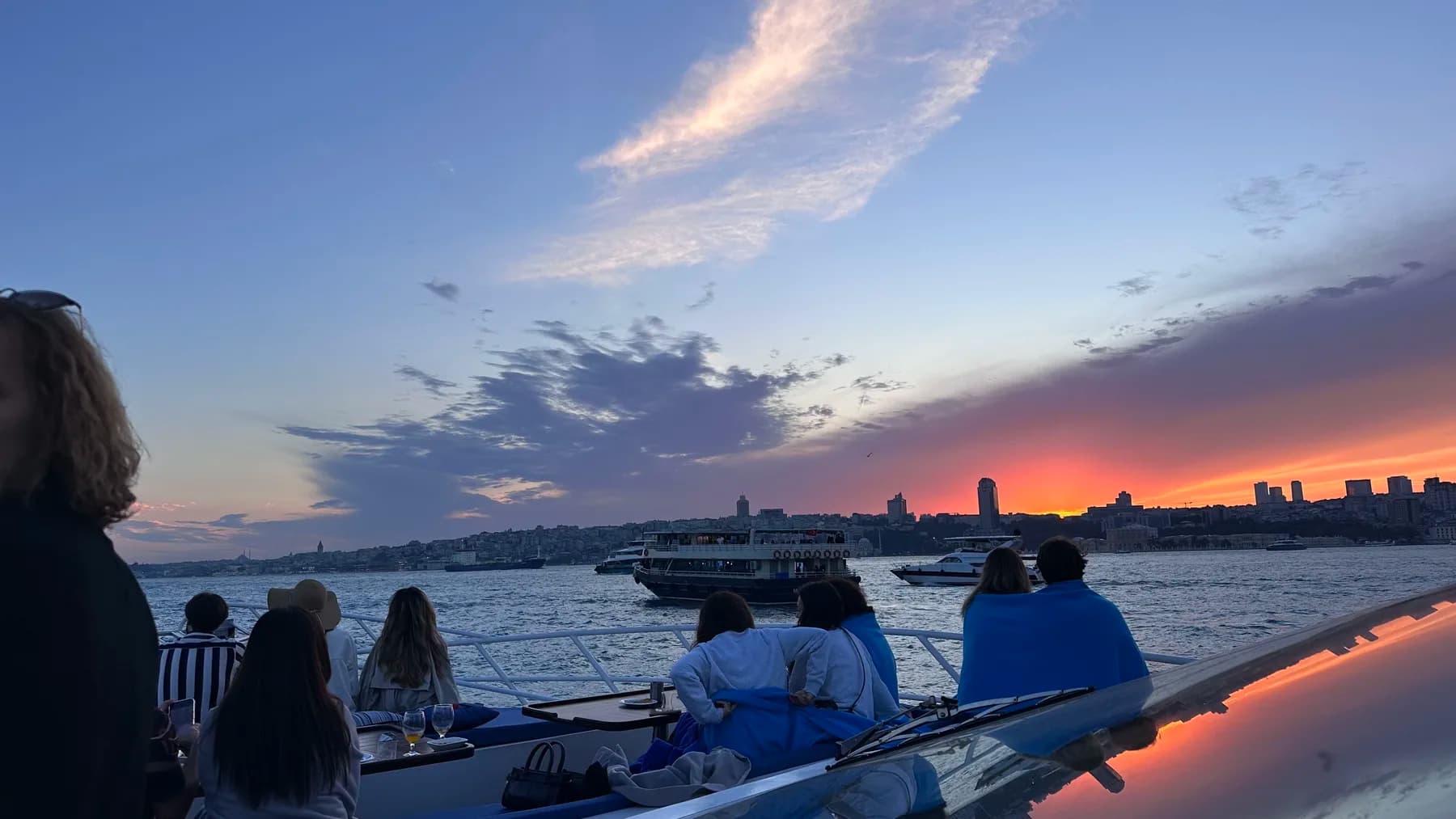
What is the Bosphorus?
The Bosphorus Strait (İstanbul Boğazı) is the 31-kilometre waterway that runs through Istanbul from the Black Sea to the Sea of Marmara and splits the city between Europe and Asia; at its narrowest, by Rumeli Fortress, it is about 700 metres wide. It is best seen from the water: our Bosphorus sunset cruise sails from Karaköy past Dolmabahçe Palace and Ortaköy Mosque to the first bridge, from €30 per person.
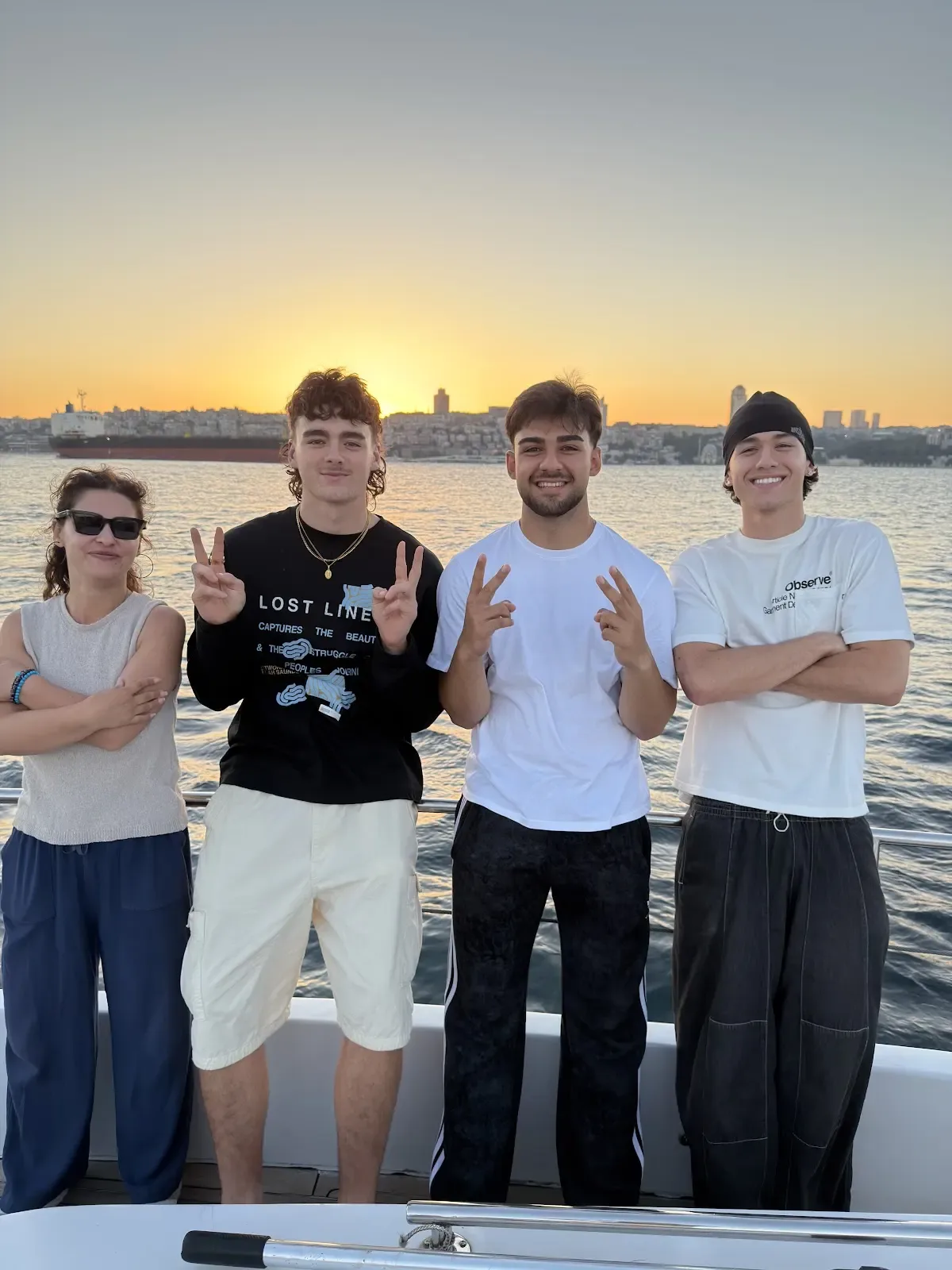 Bosphorus Sunset CruiseSee it from the water · from €30View cruise
Bosphorus Strait Facts: Length, Width and Location
The main facts about the strait, taken from the sections of this guide.
| Question | Answer |
|---|---|
| Length | About 31 kilometres |
| Width | From about 700 metres to 3.3 kilometres |
| Connects | The Black Sea to the Sea of Marmara |
| Narrowest point | By Rumeli Fortress, about 700 metres wide |
| What it divides | Istanbul into a European and an Asian half |
| Bridges | Three suspension bridges: 15 July Martyrs Bridge (1973), Fatih Sultan Mehmet Bridge (1988) and Yavuz Sultan Selim Bridge (2016) |
| Best way to see it | A Bosphorus cruise from the water |
History of the Bosphorus
The Bosphorus has shaped civilizations since ancient times. Greek mythology says Io swam across its waters as a heifer — hence the name 'Bosphorus', usually read as 'ox ford' or 'cow's passage'. The Byzantines built mighty walls along its shores, and the Ottomans constructed great fortresses like Rumeli Hisarı to control passage. Sultan Mehmed the Conqueror famously dragged his ships overland to bypass the chain across the Golden Horn during the 1453 siege of Constantinople. Today it is still a major international shipping lane, so you will see cargo ships and tankers alongside the ferries.
Key Landmarks Along the Bosphorus
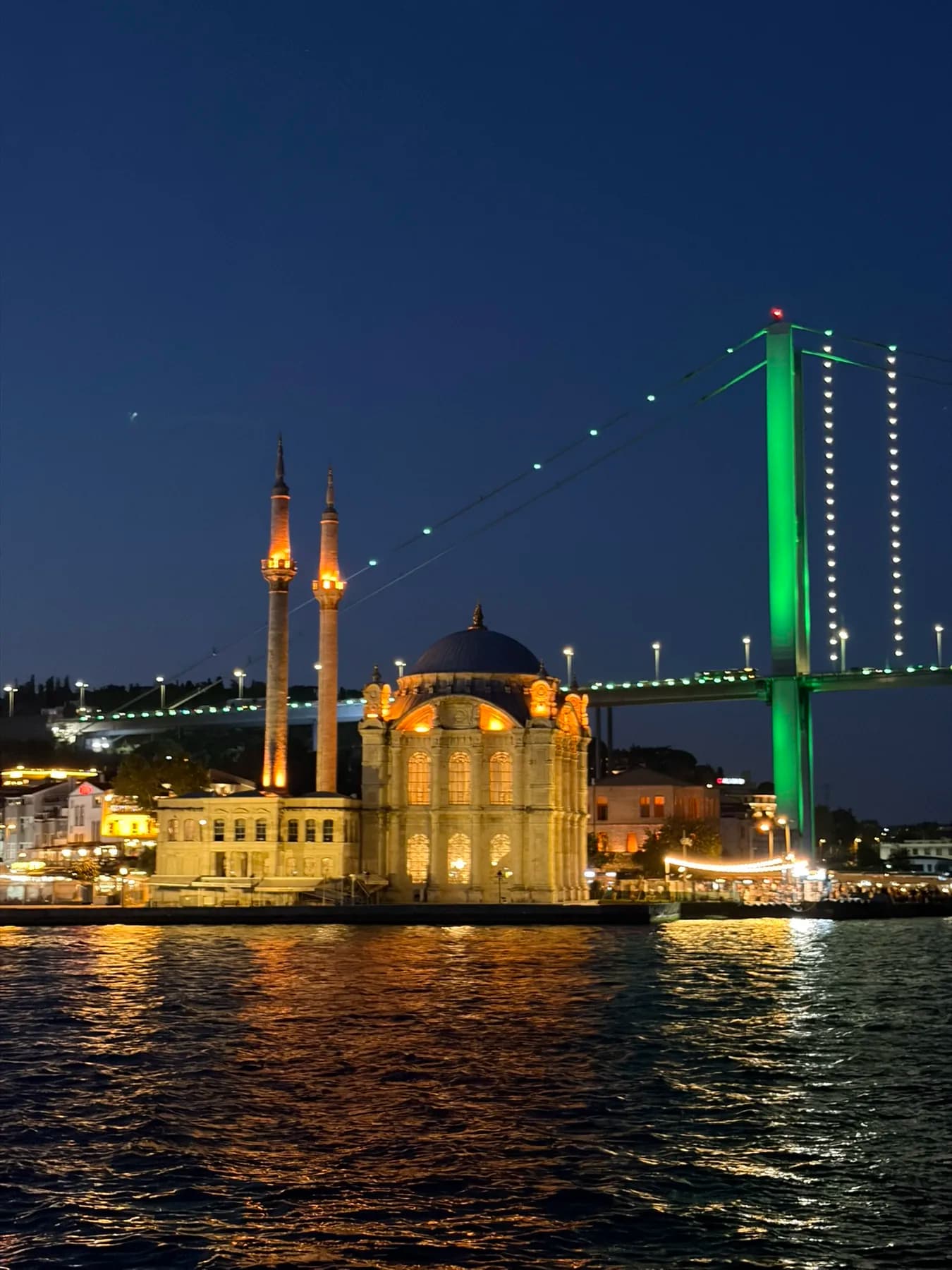
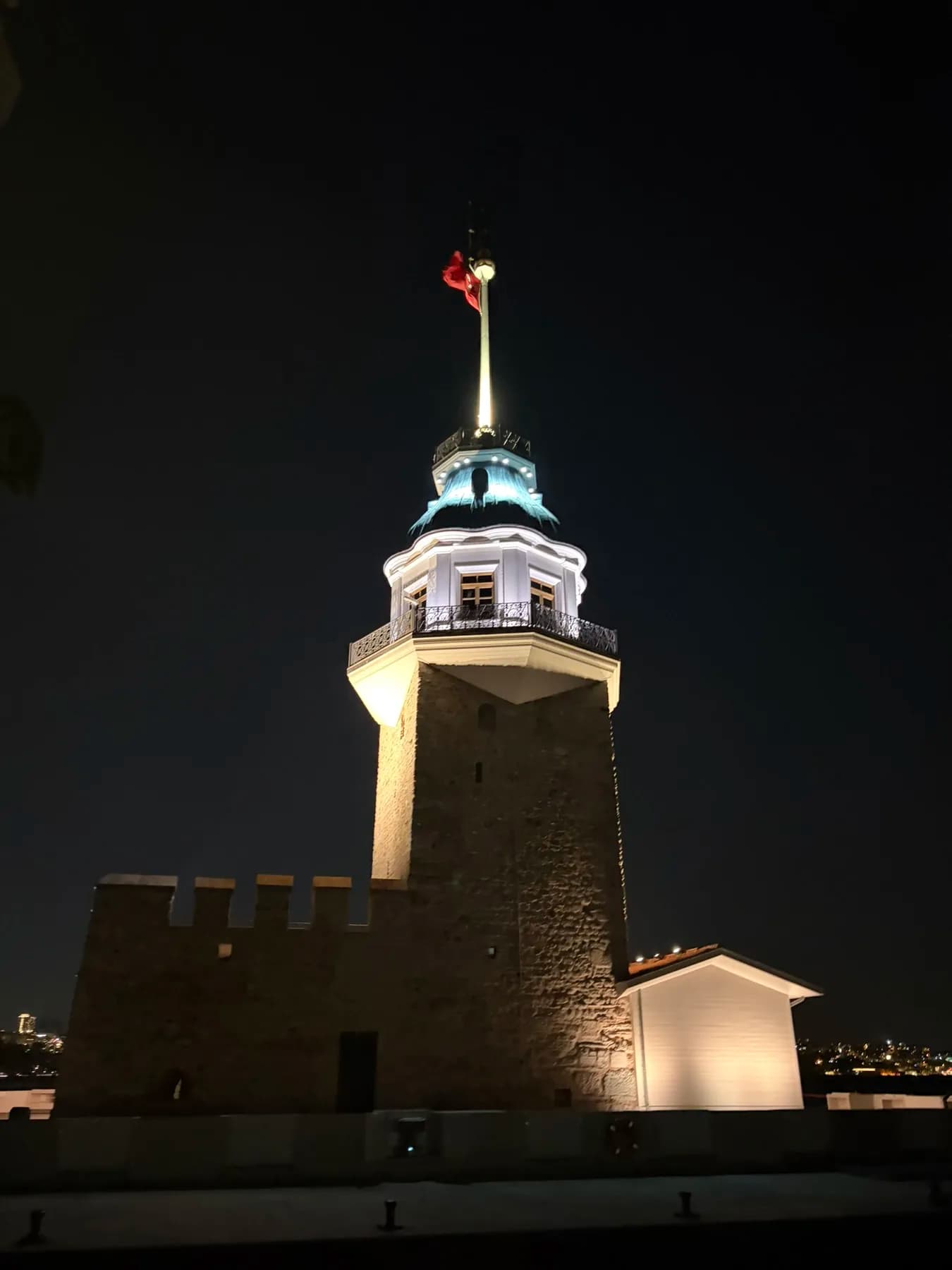
Cruising the Bosphorus reveals centuries of architecture. The Dolmabahçe Palace (1856) stretches 600 meters along the European shore with its stunning Baroque-Ottoman facade. The Ortaköy Mosque stands photogenically at the foot of the Bosphorus Bridge. The Maiden's Tower (Kız Kulesi) rises from a tiny islet near the Asian shore, surrounded by legends of imprisoned princesses. Rumeli Fortress, built in just four months by Sultan Mehmed II, guards the narrowest point. Elegant yalıs (waterfront mansions) line both shores, some dating back to the 18th century.
How to Experience the Bosphorus
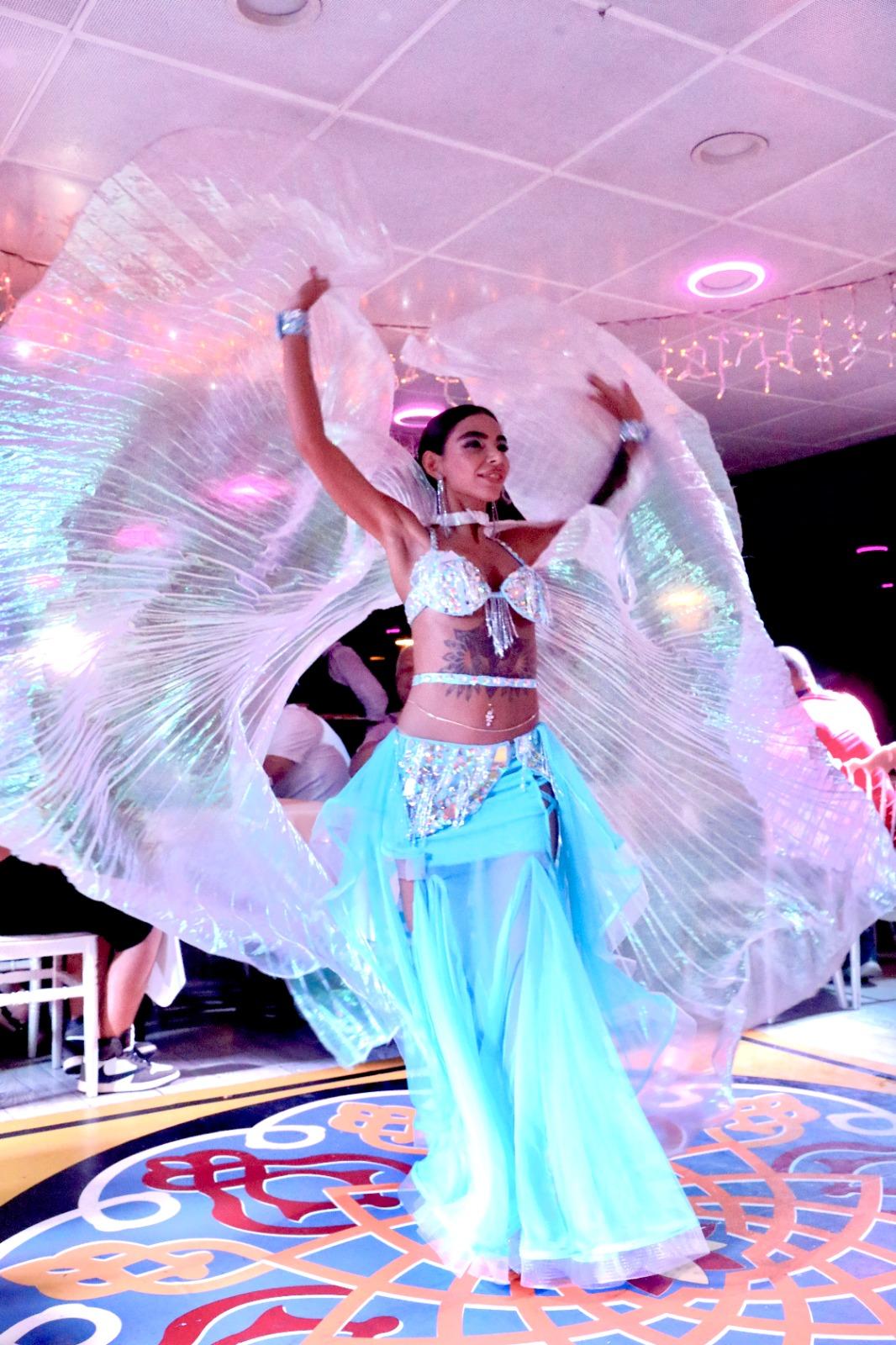
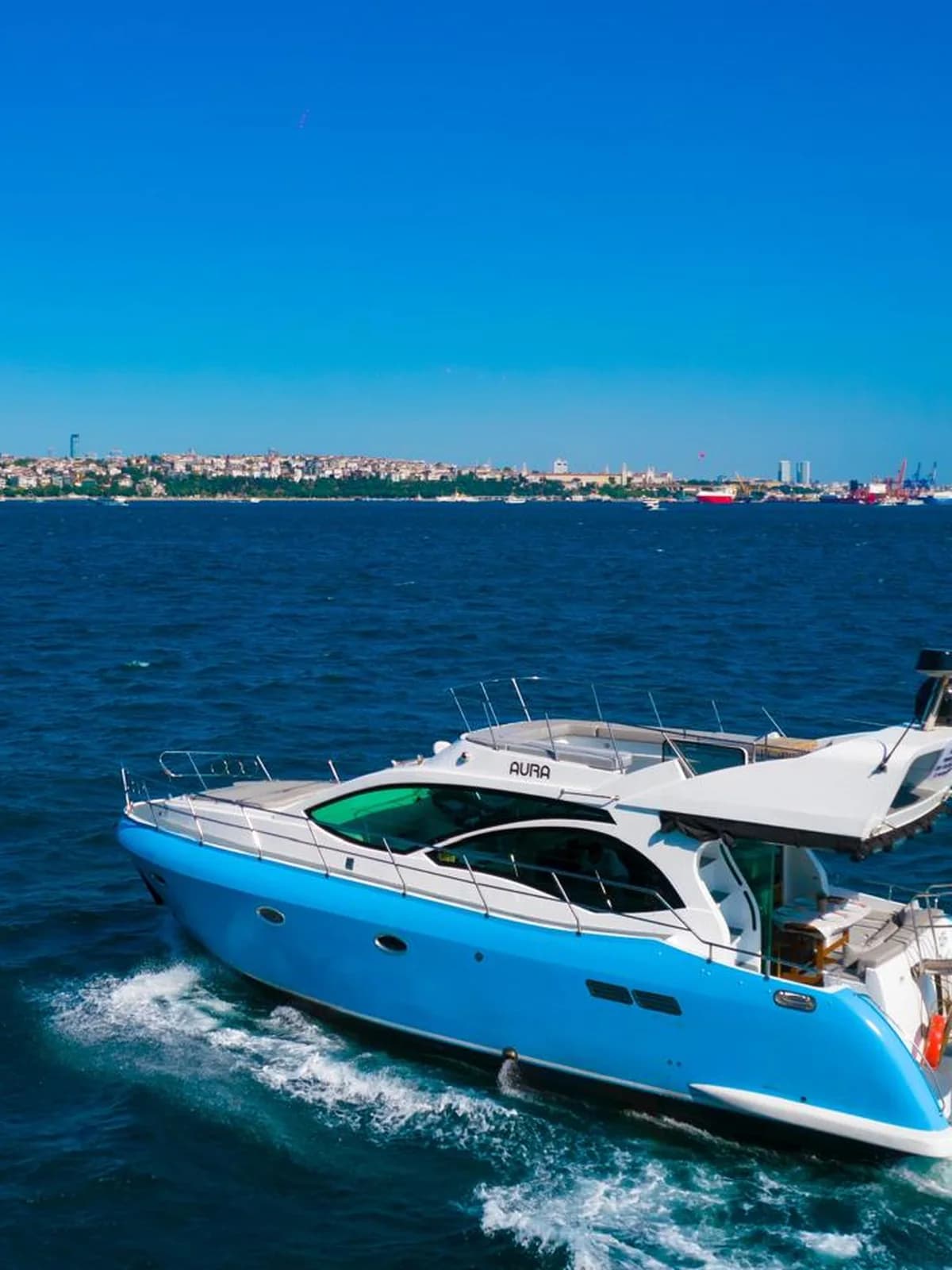
The most popular way to experience the Bosphorus is on a Bosphorus cruise. Options range from romantic sunset cruises (from €30) to dinner cruises with Turkish night entertainment (from €30, depending on package tier) and private yacht charters (from €220 per vessel). Public ferries operated by İDO and Şehir Hatları also cross the strait regularly, though they don't offer the commentary and curated route of a dedicated cruise. For the best experience, choose a sunset or dinner cruise to see Istanbul's skyline illuminated.
Bosphorus Bridges
Three suspension bridges span the Bosphorus, connecting Europe and Asia. The 15 July Martyrs Bridge (1973) was the first, stretching 1,560 meters and illuminated with colorful LED lights at night. The Fatih Sultan Mehmet Bridge (1988) sits at the strait's narrowest point. The Yavuz Sultan Selim Bridge (2016) near the Black Sea is the widest suspension bridge in the world. Sailing beneath these engineering marvels is a highlight of any Bosphorus cruise.
Best Time to Cruise the Bosphorus
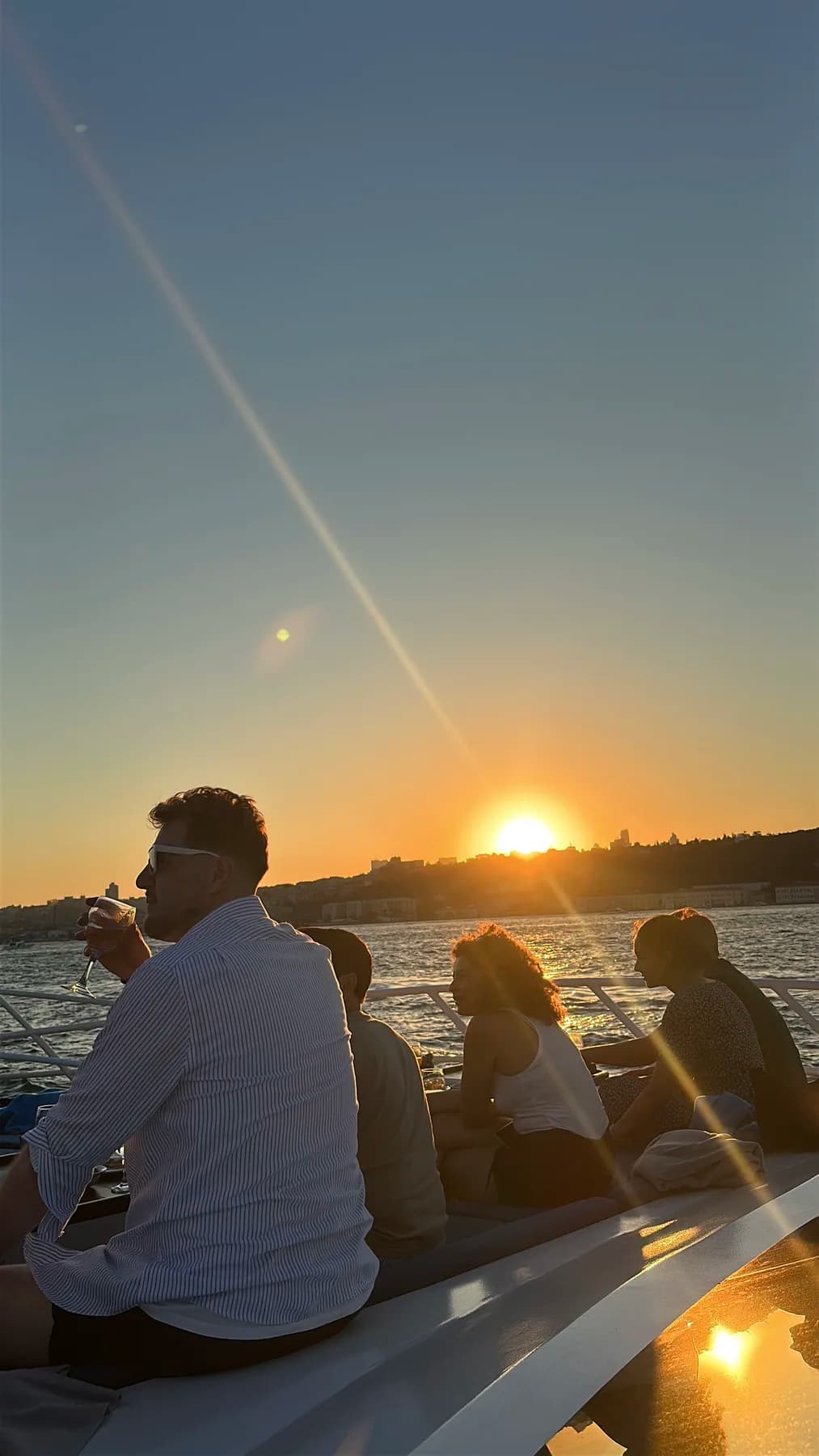
The Bosphorus is stunning year-round, but each season offers something different. Spring (April–May) brings mild weather and tulip displays along the shores. Summer (June–August) brings long evenings and late sunsets. Autumn (September–November) offers golden light and fewer crowds. Winter (December–March) brings dramatic skies and quieter decks. In every season the shared sunset fare drops to €30 on Monday to Thursday. For photography, the golden hour just before sunset creates magical lighting on the palaces and mosques.
What I point out from the wheelhouse
From the wheelhouse, here is what I tell guests to watch for that the guidebooks miss. The current runs surprisingly hard — up to four knots southbound through the Rumeli Hisarı narrows — which is why the water swirls and boils there even on a flat day; that is the same current Mehmed II's fleet had to fight in 1453. As we round Kandilli on the Asian shore I always point out the wooden yalıs: the ochre-red Köprülü yalı near Anadolu Hisarı is the oldest surviving waterfront mansion on the Bosphorus, built in 1699, and you can only see its true scale from the water. My one piece of advice — sit on the European (port) side heading north for the palaces, then swap to starboard on the return so the low sun is behind you for the Maiden's Tower shot.
Experience it on a cruise
Related blog posts

More Istanbul guides
Not sure which route fits? Compare Bosphorus cruises.
All Guides