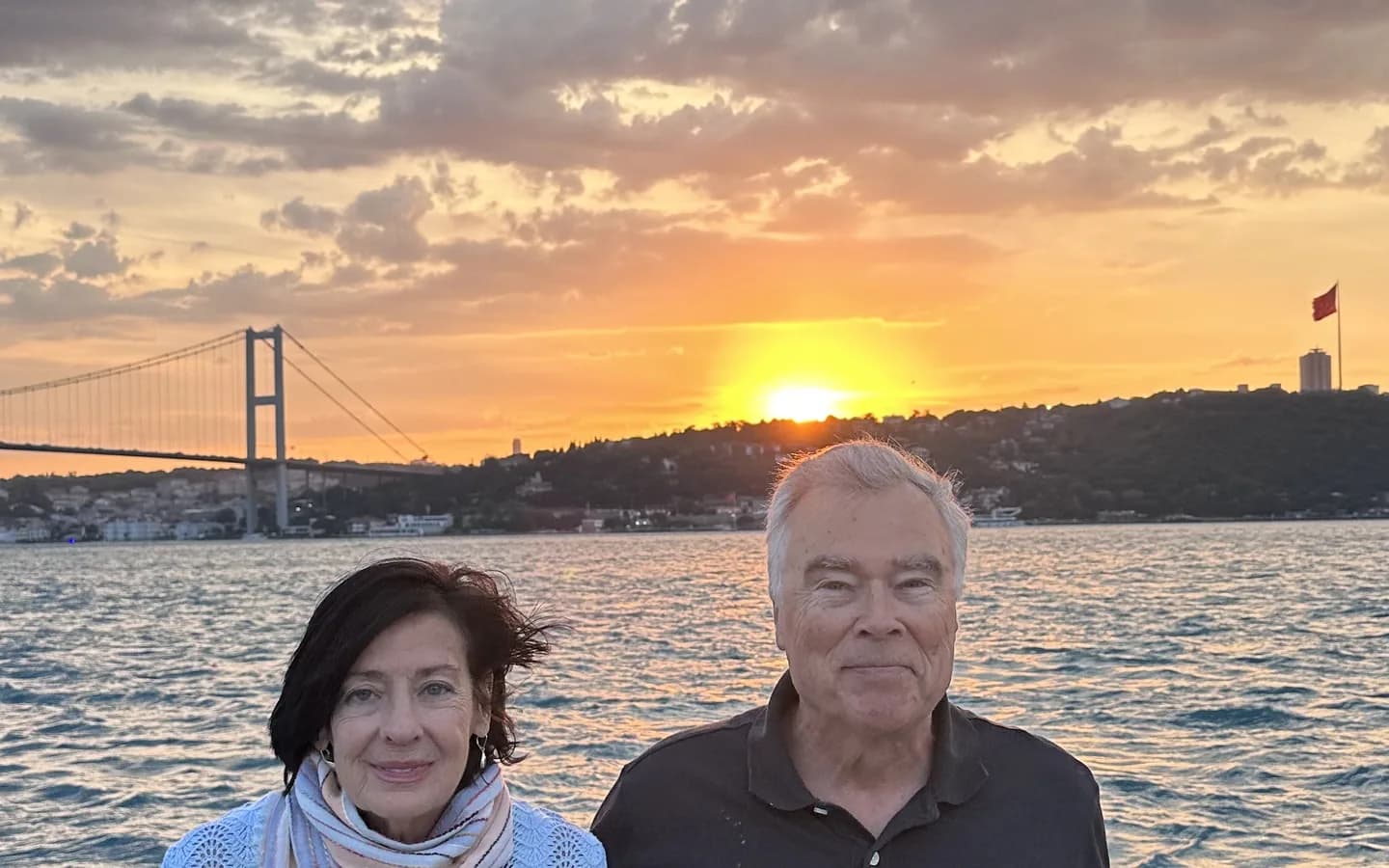
Most Istanbul travel guides focus on the summer season, creating the impression that the Bosphorus shuts down in winter. It does not. Cruises operate year-round, and winter brings advantages that peak season cannot offer. Crowd levels drop by 60–70% between November and March according to <a href='https://www.tursab.org.tr/en' target='_blank' rel='noopener'>TURSAB</a> tourism statistics — meaning you get more space on deck, shorter queues, and a quieter, more contemplative experience. Prices are 15–25% lower across all cruise types.
The light is different and often more dramatic: low winter sun creates golden hour conditions for much of the afternoon, moody cloud formations add atmosphere that summer's clear skies lack, and the city's mosques and palaces look particularly powerful against dark winter skies. Rain, the primary concern for winter visitors, is less problematic than expected — Istanbul averages 12–15 rainy days per month in winter, but showers are typically brief.
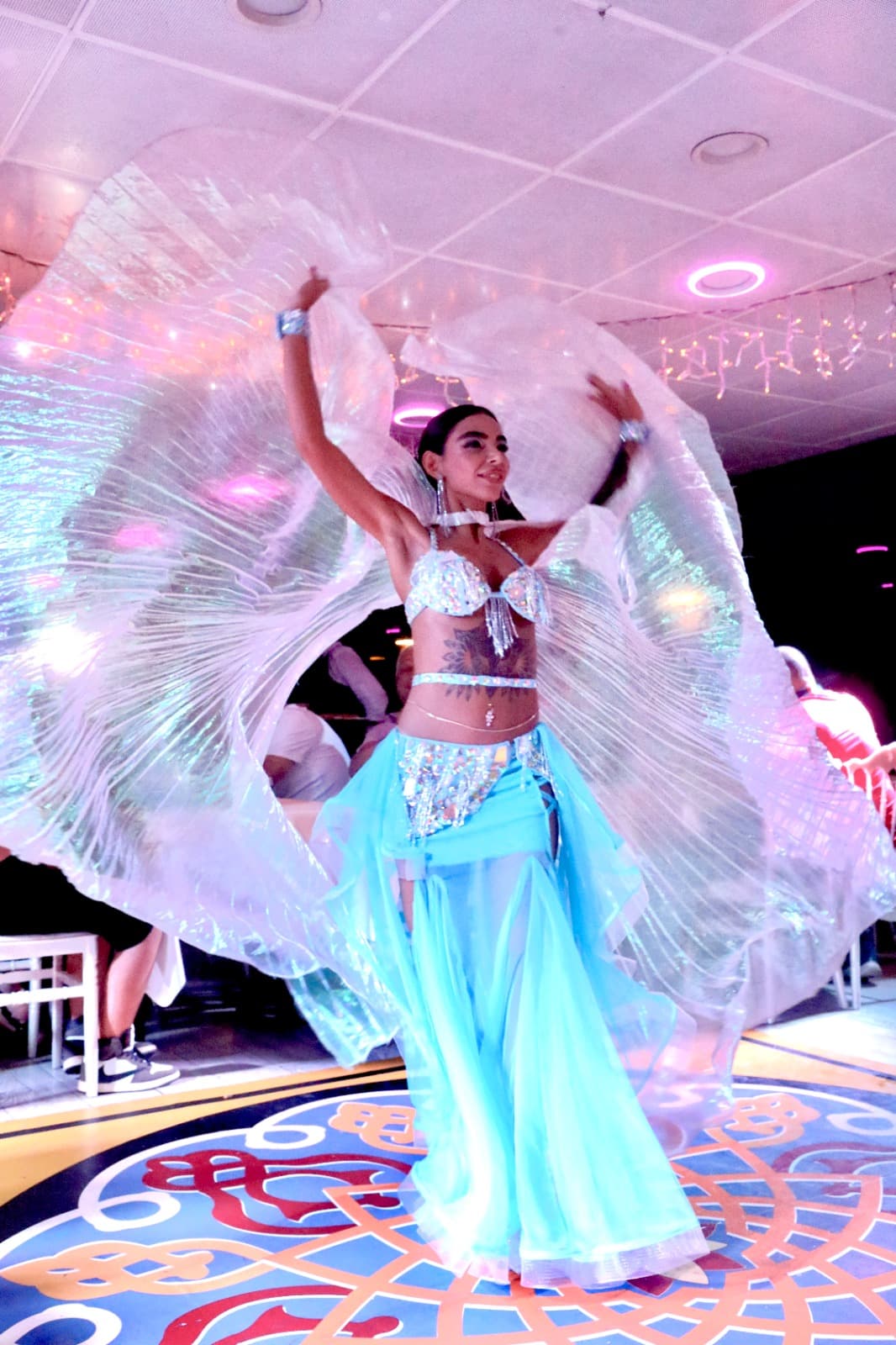
And the dinner cruise, the most popular option year-round, is largely an indoor experience with heating, making weather almost irrelevant. If your travel dates fall between November and March, do not skip the Bosphorus cruise — it may well become the unexpected highlight of your winter Istanbul trip.