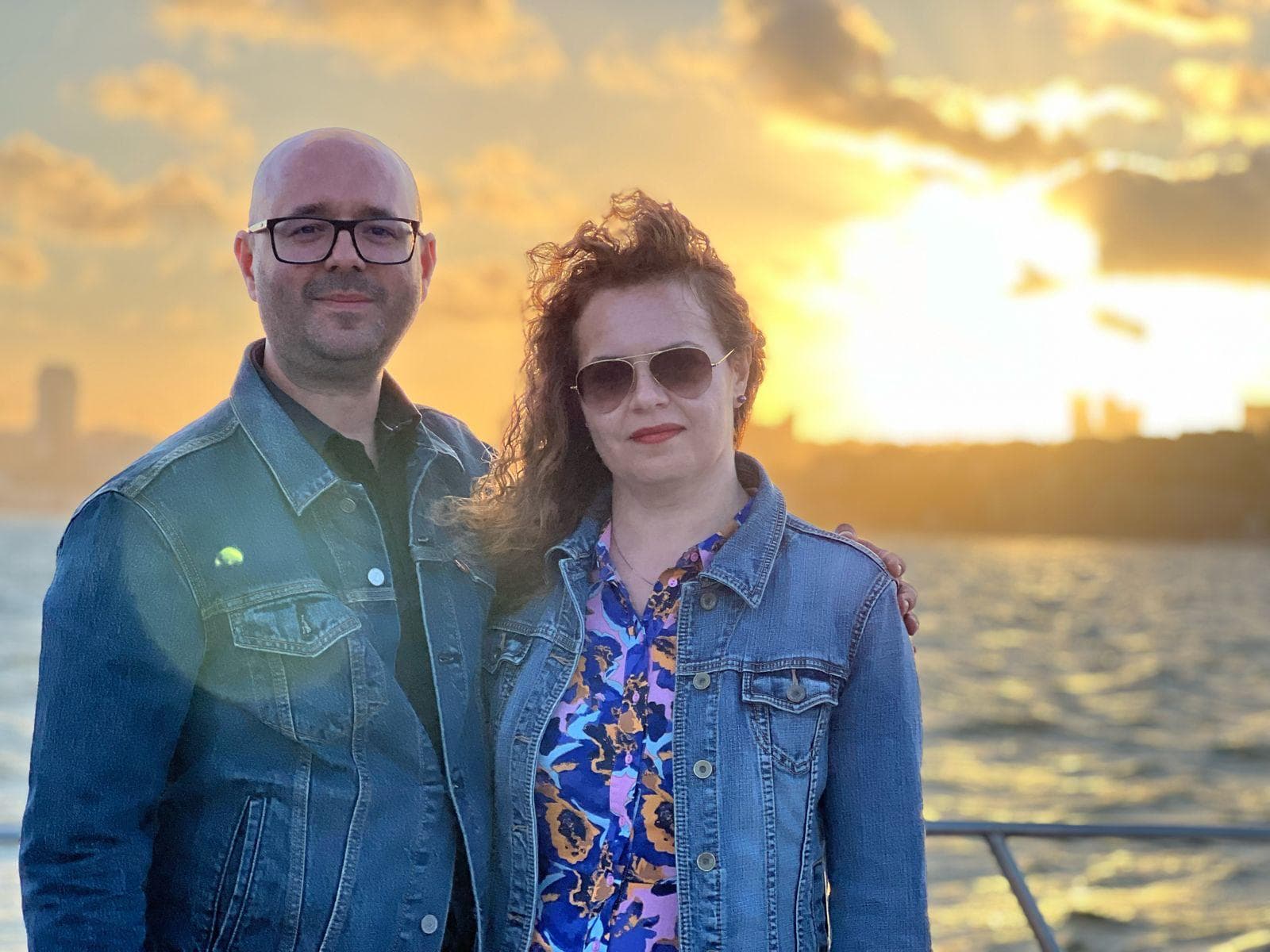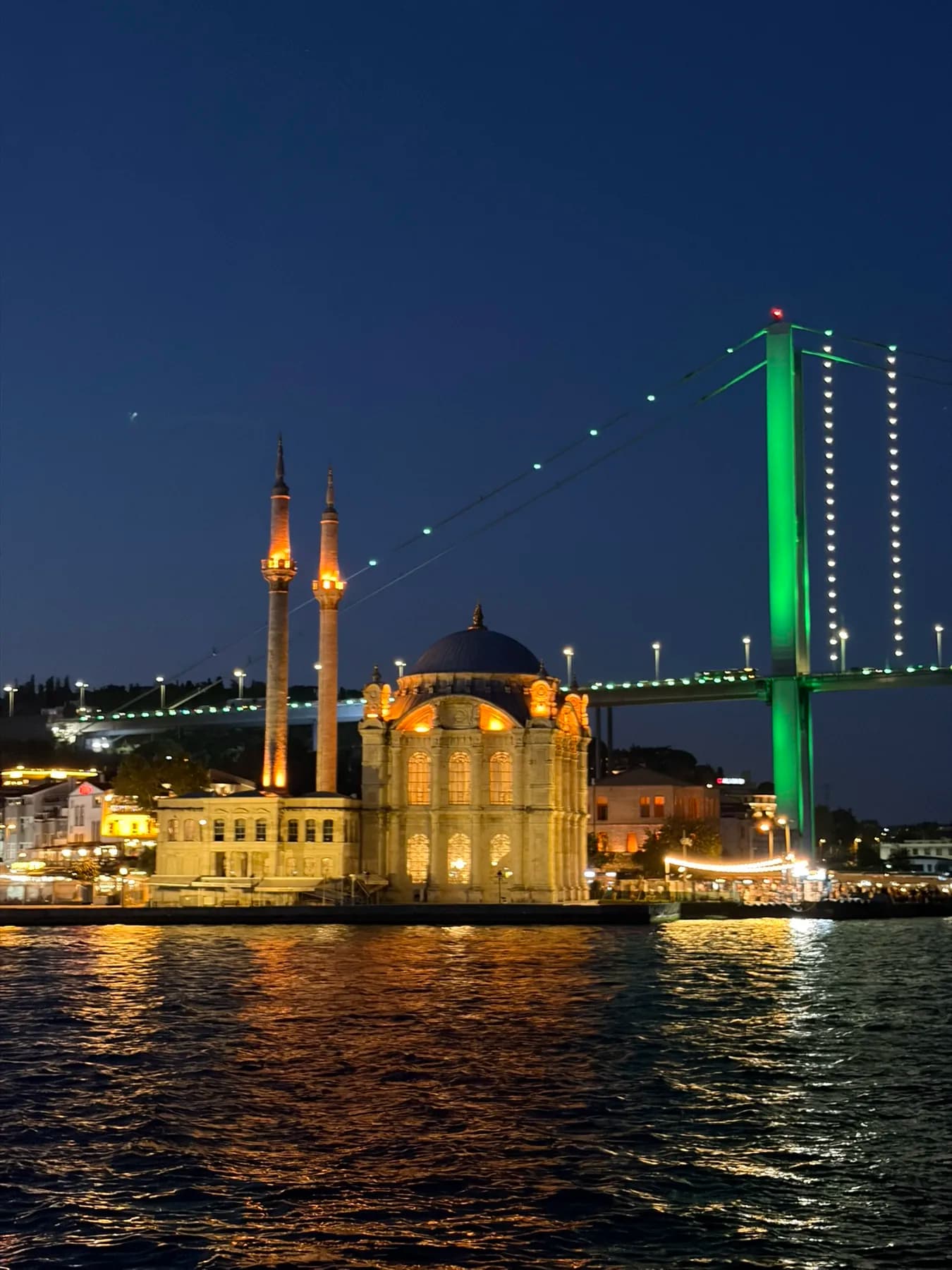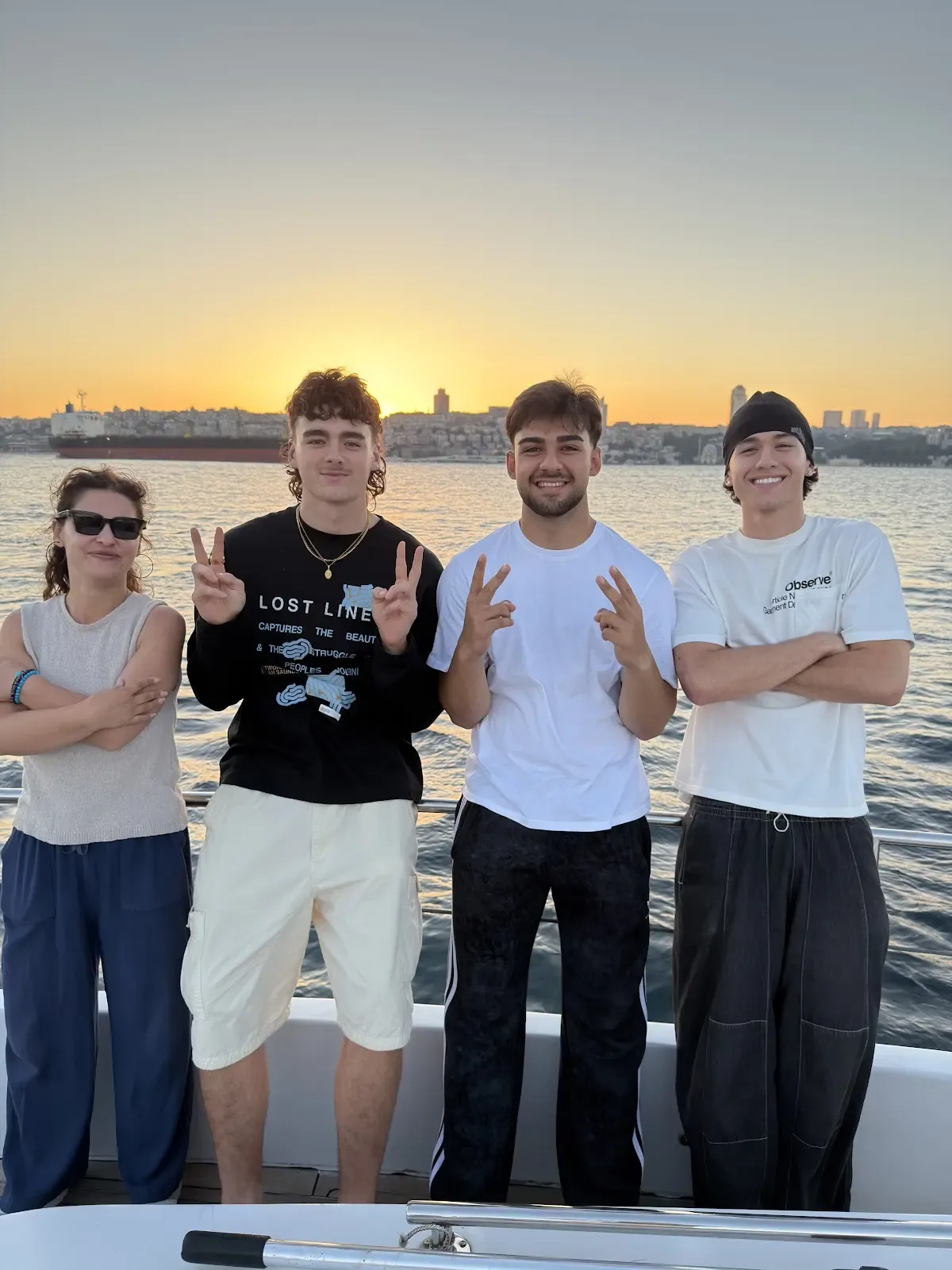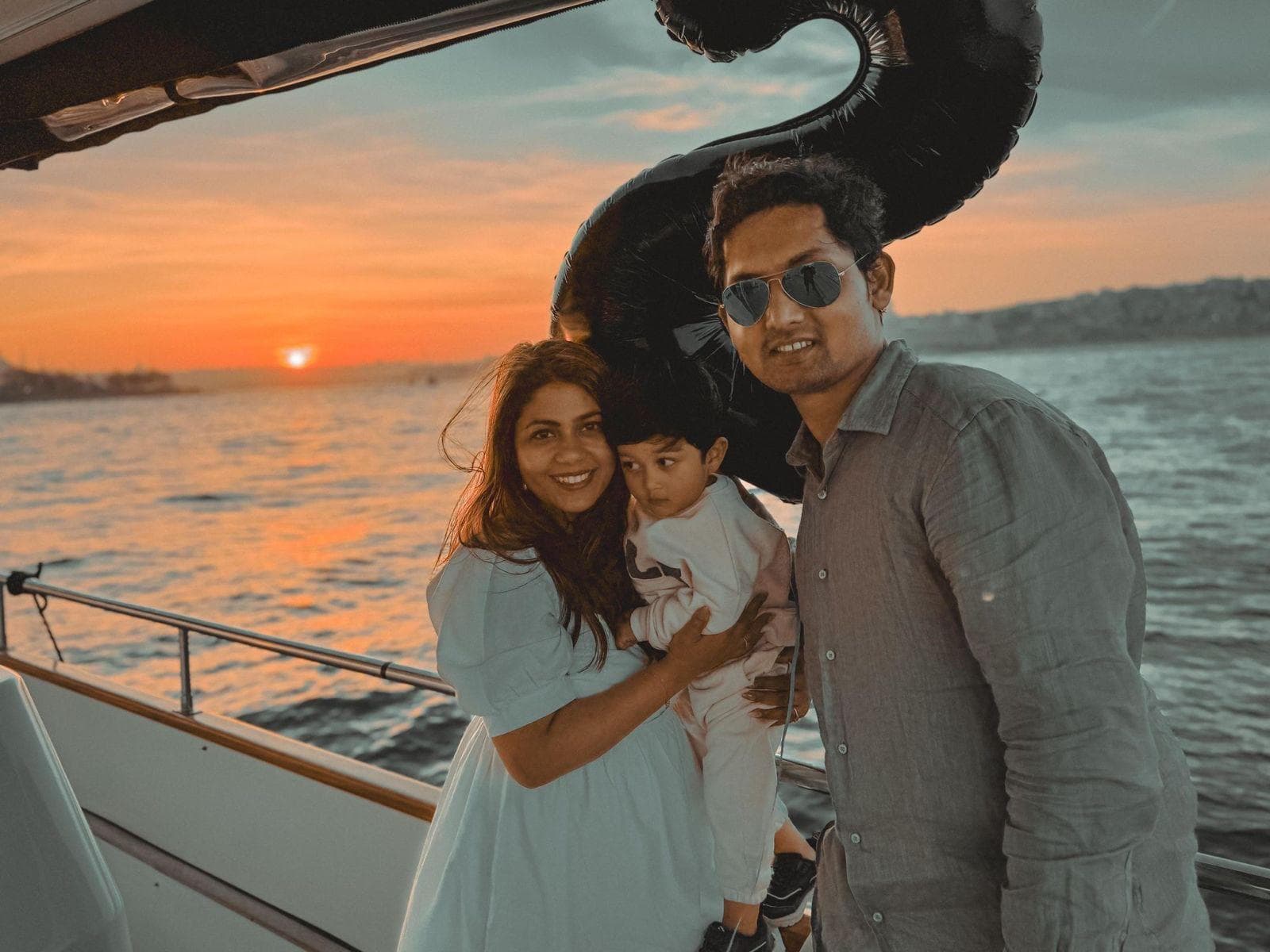
The Bosphorus offers a rolling gallery of photogenic landmarks. The top five shots every photographer should capture are: (1) Ortaköy Mosque with the Bosphorus Bridge — this iconic composition works best when approaching from the south, with the mosque in the foreground and the bridge spanning behind it. Golden hour light elevates this from great to extraordinary. (2) Dolmabahçe Palace — the 600-meter waterfront facade is most impressive when shot from directly opposite on the Asian side, capturing the full scale of this Ottoman baroque masterpiece. (3) The Maiden's Tower — this tiny islet with its lighthouse is best photographed from the Üsküdar side, ideally with the Old City skyline behind it. (4) Rumeli Fortress — the medieval fortress walls cascading down the hillside to the water's edge create dramatic compositions, especially with the Second Bridge visible beyond. (5) The Istanbul skyline from the water — the classic panoramic view of minarets, domes, and the Galata Tower seen from the middle of the strait.
Best Photography Spots on a Bosphorus Cruise
Capture stunning Istanbul photos from the water. This guide covers the best photography spots along the Bosphorus, ideal camera settings, and timing tips.
Captain Ahmet Yılmaz
TURSAB Licensed, 25+ years maritime experience
Key Takeaways
- The 5 best photo spots: Ortaköy Mosque framed by the bridge, Dolmabahçe Palace facade, [Rumeli Fortress](https://en.wikipedia.org/wiki/Rumeli_Hisarı), Maiden's Tower, and the Old City skyline
- Position on the upper deck starboard side for European shore shots; switch to port side heading north for Asian shore
- Golden hour (45 min before sunset) produces the best light — align your cruise departure time accordingly
- Use burst mode during the peak 10 minutes around sunset when light changes rapidly
Top 5 Photo Spots on a Bosphorus Cruise
Camera Settings for Bosphorus Photography
Whether using a DSLR, mirrorless camera, or smartphone, the right settings make a difference on a moving boat. Use a fast shutter speed (1/500 or faster) to compensate for boat movement. For DSLRs, shoot in aperture priority (f/8 for landscape sharpness) with auto ISO. Burst mode is your friend — shoot 3–5 frames of each landmark as you pass by and select the sharpest later. For smartphones, enable HDR mode for balanced exposure between bright skies and darker buildings. Tap to focus on the landmark, not the sky. Use the 1x or 2x lens — avoid heavy digital zoom which degrades quality. A polarizing filter (for cameras) or clip-on polarizer (for phones) cuts water glare and enhances sky contrast. Shoot RAW if your camera supports it — the dynamic range of sunset scenes benefits enormously from RAW processing flexibility.
“İstanbul Boğazı, bir fotoğrafçı için sonsuz kare sunar. Her mevsimde, her saatte farklı bir ışık ve renk paleti vardır. Gün batımı ve gün doğumu saatleri altın değerindedir.”
Bosphorus Cruise Photography — Golden Hour Timing
Light quality transforms Bosphorus photography from snapshots to art. The golden hour (the hour before sunset) bathes Istanbul's waterfront in warm, directional light that adds depth and drama to every composition. This is when mosque domes glow amber, palace windows reflect gold, and the water shimmers with warm reflections. The sunset cruise is perfectly timed for this — you are on the water during peak golden hour. For daytime cruises, early morning and late afternoon light are best. Midday sun (12:00–14:00) creates harsh shadows and flat, washed-out colors — not ideal for photography. If taking a dinner cruise, the twilight period (20–30 minutes after sunset) creates the famous 'blue hour' when the sky deepens to cobalt and city lights begin to glow — arguably the most atmospheric time for Bosphorus photography.
Best Position on a Bosphorus Cruise for Photography
Where you sit matters as much as your camera settings. The upper deck offers the highest vantage point with clearest sight lines — grab a spot here early. The bow (front) of the vessel is excellent for wide panoramic shots as landmarks approach. The stern (back) captures receding views and wake patterns. For the outbound journey northward, the right (starboard) side faces the European shore with its palaces and mosques. The left (port) side faces the Asian shore. On the return journey, sides swap. If you cannot secure an upper deck spot, standing near the railing on the main deck works well — just be mindful of other passengers. A monopod or small tripod helps stabilize shots, especially in lower light conditions.
“İstanbul, dünya üzerinde iki kıtada aynı anda var olan tek şehirdir. Bu coğrafi benzersizlik, şehrin her köşesinde hissedilir ve denizden bakıldığında en çarpıcı haliyle ortaya çıkar.”
Smartphone Photography Tips
Most travelers today shoot with smartphones, and modern phone cameras produce excellent results on Bosphorus cruises. Use the native camera app for best quality (avoid Instagram or social media camera filters while shooting — add those later). Clean your lens before boarding — a smudged lens is the most common cause of soft photos. Stabilize your phone against the railing or use both hands with elbows tucked in. For panoramic shots of the skyline, use the phone's panorama mode, sweeping slowly. Portrait mode works surprisingly well for isolating landmarks against blurred water backgrounds. Record short video clips as well as photos — the movement of the boat and changing angles add cinematic quality that stills cannot capture. Back up your photos to cloud storage during WiFi availability on board.
TURSAB Licensed Since 2001 — Best Price Guaranteed
Ready to Book Your Bosphorus Experience?
Iconic Bosphorus Photo Locations from the Water
The Bosphorus offers a continuous sequence of world-class photo opportunities, and knowing when they appear helps you capture the best shots. The first major composition comes within minutes of departure: the historic peninsula skyline featuring Topkapı Palace, Hagia Sophia, and the Blue Mosque silhouetted against the sky — best captured with a wide-angle lens from the stern as you pull away from Eminönü. Dolmabahçe Palace's 600-meter waterfront facade provides the longest single-subject opportunity — the white marble reflects golden light beautifully during late afternoon. The Ortaköy Mosque framed beneath the first Bosphorus Bridge is arguably Istanbul's most photographed scene from the water — our captains slow down here because every guest reaches for their camera. The twin fortresses of Rumeli and Anadolu Hisarı at the strait's narrowest point create dramatic compositions, especially when a large tanker passes between them (a regular occurrence). The colorful wooden houses of Arnavutköy strung along the waterfront reflect in the calm water — best photographed on windless days when the mirror effect is strongest. At the turnaround point near the second bridge, the perspective reveals both shores converging toward the Golden Horn — this wide panoramic view captures the full scale of Istanbul straddling two continents.
Camera Settings and Equipment Tips for Boat Photography
Photography from a moving boat presents unique challenges and rewards, and the right technique makes a huge difference in results. For smartphones (which most guests use): enable HDR mode for scenes with bright sky and darker buildings, use burst mode for action shots passing landmarks (take 10, keep the sharpest one), and clean your lens frequently — salt spray creates a soft haze that ruins otherwise perfect shots. Lock focus and exposure by tapping and holding on the key subject before shooting. For serious cameras: a 24-70mm zoom is the most versatile single lens for Bosphorus photography, covering wide panoramas and tighter landmark details. Use aperture priority mode at f/5.6-f/8 for sharp landscapes with sufficient depth of field. Keep shutter speed above 1/250s to freeze any boat movement — bump ISO to 800 or 1600 if needed rather than accepting motion blur. A polarizing filter transforms water photography by cutting reflection and deepening sky color — it's the single most impactful filter for Bosphorus shooting. For sunset and night photography, switch to manual mode and brace against the railing for stability. Bring a lens cloth and keep it accessible — Bosphorus spray is constant. All our vessels have covered areas where you can protect equipment between shooting opportunities.
Golden Hour and Night Photography on the Bosphorus
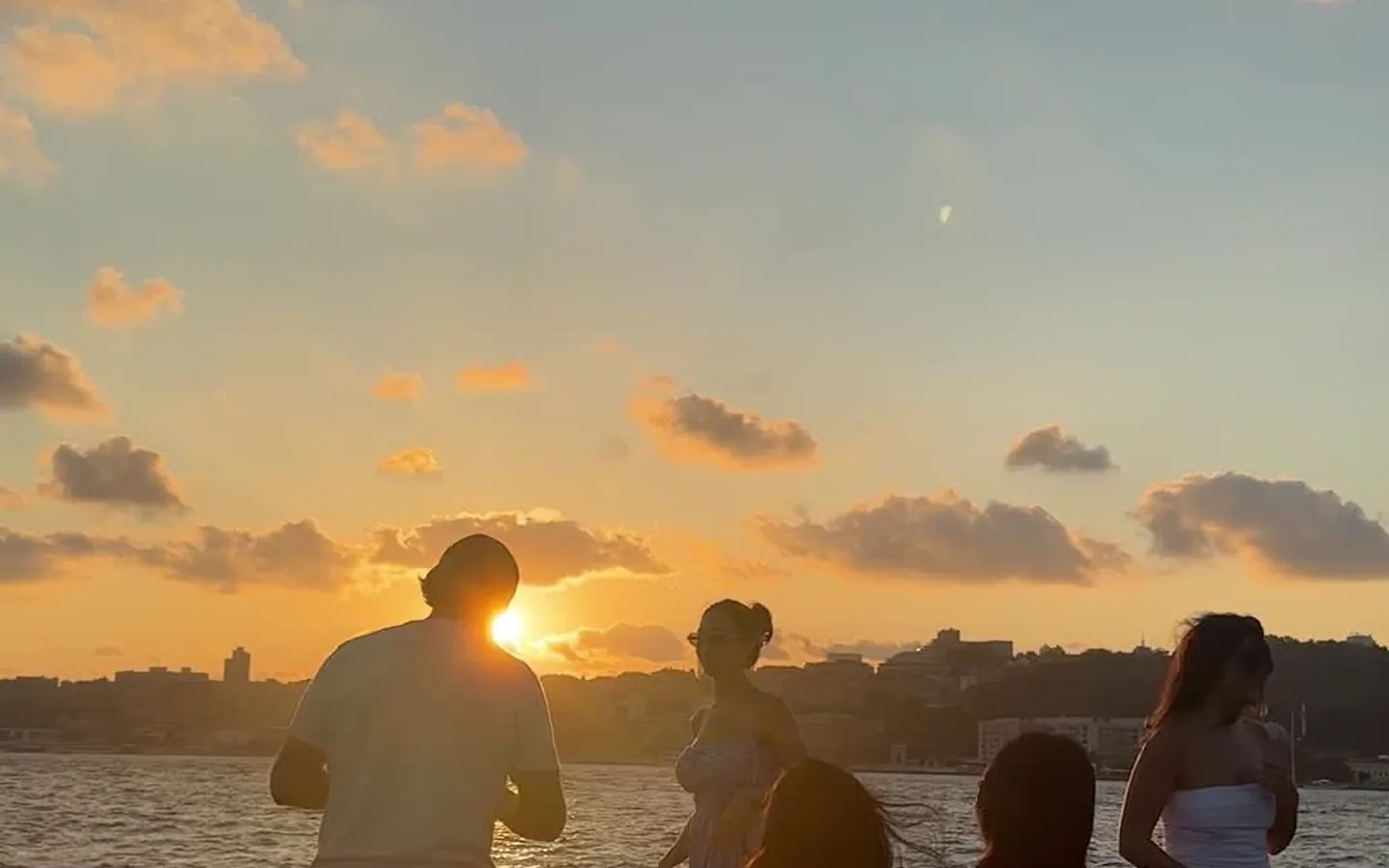
The Bosphorus undergoes a magical transformation during golden hour and into night, offering photographers completely different palettes within a single cruise. Golden hour (the 60 minutes before sunset) paints the mosques and palaces in warm amber light while the water turns liquid gold — this is when professional photographers get their signature shots. The light quality changes minute by minute: start shooting as the sun drops behind the European hills, catching the warm side-light on Asian shore buildings, then shift to the European shore as the light takes on its deepest golden hue. The 15 minutes after sunset — the 'blue hour' — produce ethereal images where the sky transitions through lavender, indigo, and deep blue while the first building lights appear. This brief window is arguably the most beautiful time on the Bosphorus, and our sunset cruise timing is calculated to position you mid-strait during this transition. As night fully falls, the illuminated landmarks create an entirely different photographic opportunity: the color-changing Bosphorus Bridge LED display, the dramatically lit mosques reflected in dark water, and the long-exposure trails of passing boats. For night shots, rest your phone or camera against the railing, use a 2-second timer to eliminate button-press shake, and let the night mode or long exposure work its magic. The reflections of city lights dancing across the water's surface create abstract patterns that are surprisingly artistic.
Frequently Asked Questions
Which side of the boat is best for photos?▾
For the outbound journey north, starboard (right) faces Europe's palaces and mosques. Port (left) faces Asia. On return, sides swap. The upper deck offers the best vantage point.
What is the best cruise for photography?▾
The sunset cruise offers the best light (golden hour). A daytime sightseeing cruise provides the clearest landmark detail. The dinner cruise captures illuminated nighttime views.
Should I bring a tripod on the cruise?▾
A compact tripod or monopod helps in lower light. Full-sized tripods are bulky and unnecessary. For smartphones, a small phone grip with stabilization works well.
Are drones allowed for photography on Bosphorus cruises?▾
Drone use on the Bosphorus requires Turkish Civil Aviation Authority permits and is not permitted from cruise vessels without prior authorization. Istanbul's airspace restrictions around the Bosphorus are strictly enforced. Instead, use a telephoto lens or zoom to capture distant landmarks.
What is the best time of day for Bosphorus photography?▾
Golden hour (1 hour before sunset) produces the most spectacular light — warm, directional, and flattering for palace and mosque facades. The sunset cruise (€20) is perfectly timed for this window. Blue hour (15–30 minutes after sunset) creates a stunning cobalt sky with emerging city lights.
Founder & Senior Captain
Founded Merry Tourism in 2001. Over 25 years navigating the Bosphorus, Captain Ahmet has personally guided more than 50,000 guests through Istanbul's waterways.
Related Tours
Ready to Book Your Istanbul Experience?
Best price guaranteed when you book direct. No middleman fees. TURSAB licensed since 2001.