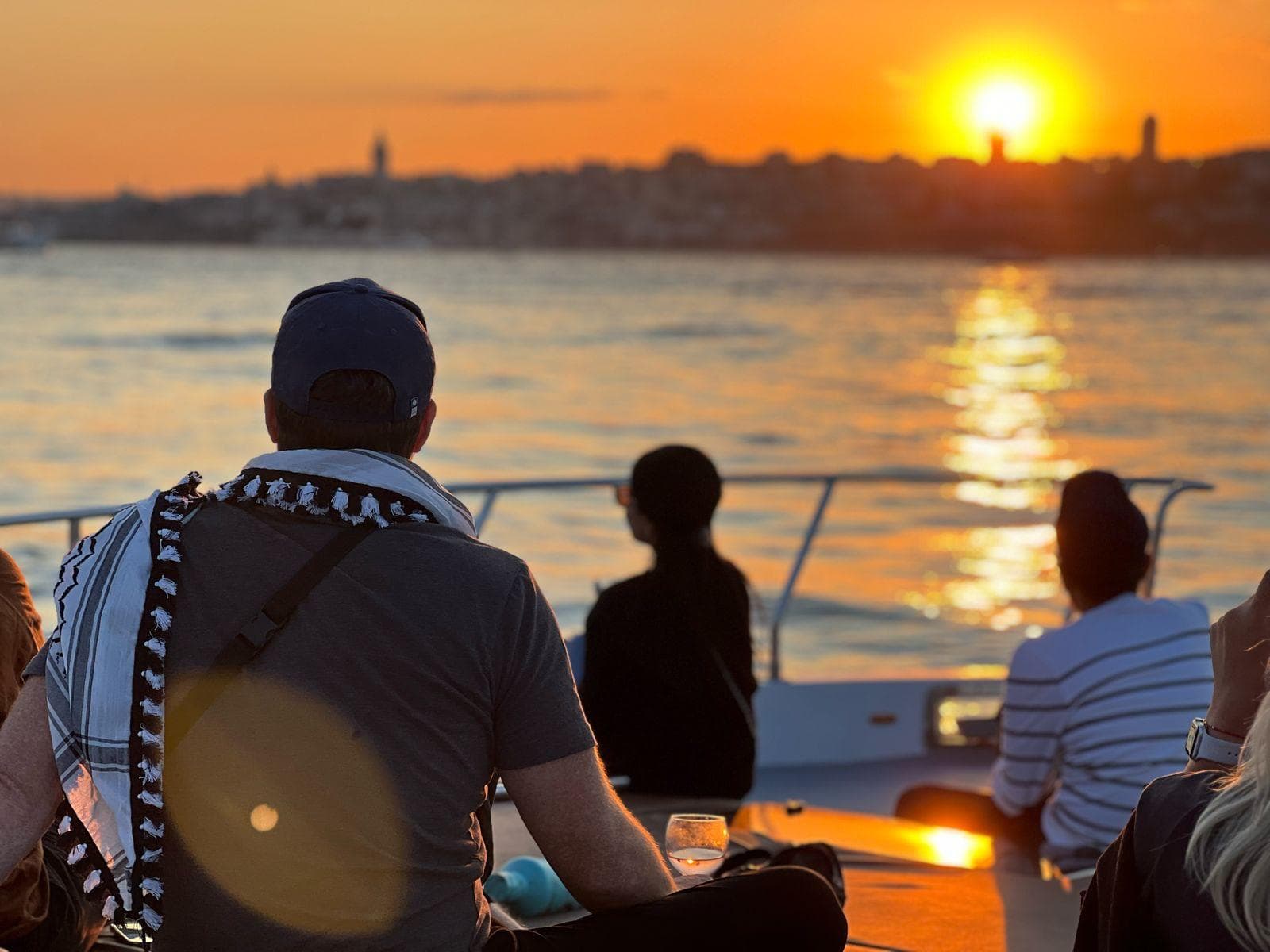
Istanbul has one main international airport: Istanbul Airport (IST) (IST) on the European side, one of the world's largest. Sabiha Gökçen Airport (SAW) on the Asian side serves budget airlines and some international routes. From IST, the Havaist bus connects to major city areas (Taksim, Sultanahmet) for about €5–8. Taxis cost €25–35 to central Istanbul. The M11 metro line connects IST to the city center. From SAW, the Havabus runs to Kadıköy and Taksim. Always use official airport taxis with meters or pre-book a transfer — avoid unmarked cars. Many hotels offer airport pickup services (€25–40) which can be worth the convenience, especially for late-night arrivals.

Istanbul Travel Guide for First-Time Visitors
Planning your first trip to Istanbul? This practical guide covers everything from airport transfers and local transport to tipping customs and language basics.
MerrySails Editorial Team
10+ years Bosphorus cruise operations
Key Takeaways
- Istanbul spans two continents — plan your itinerary by area to minimize transit time between attractions
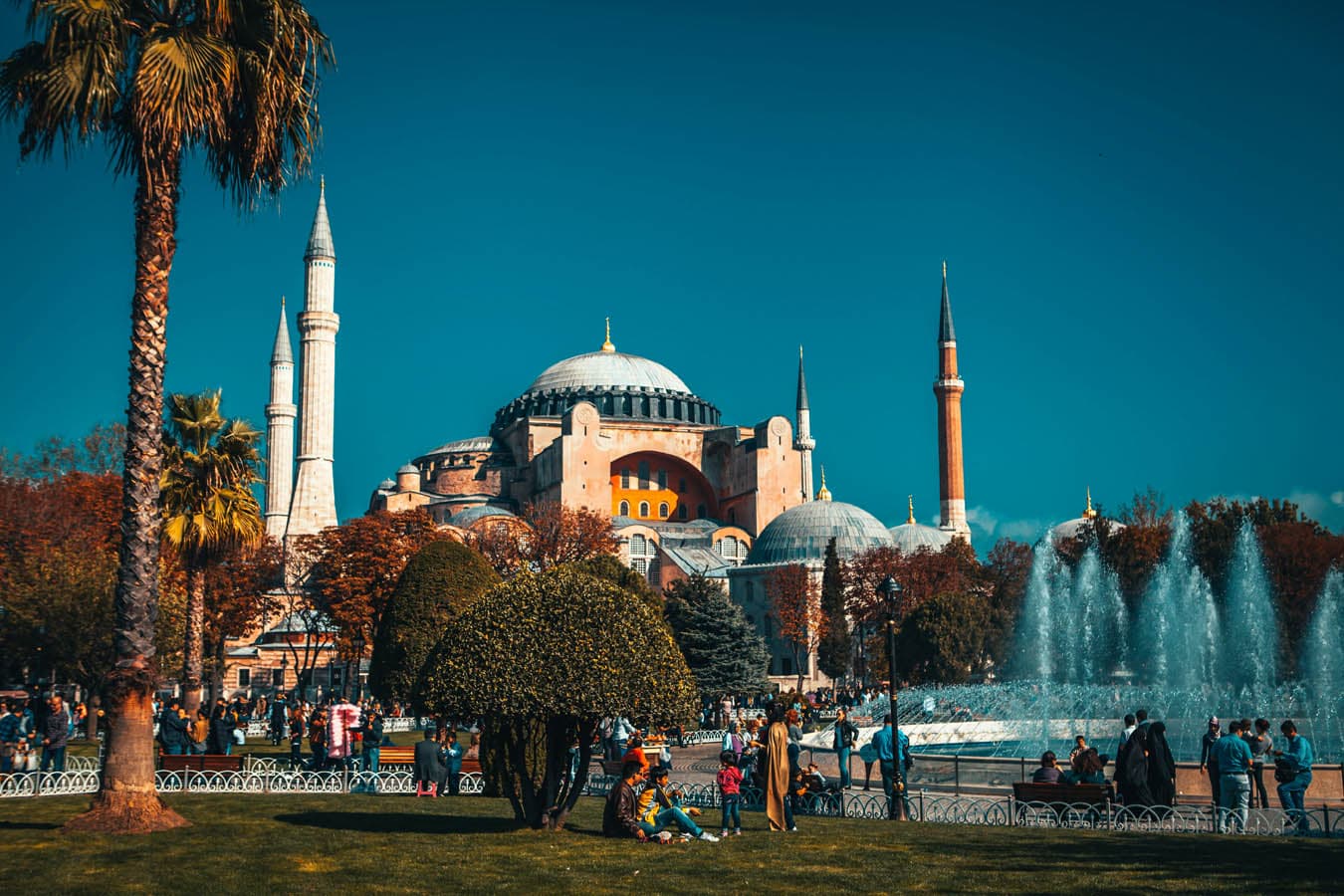
- The Istanbul Museum Pass (€50) covers the [Hagia Sophia](https://en.wikipedia.org/wiki/Hagia_Sophia), Topkapı Palace, and 9 other museums — saves €30–40 vs individual tickets
- Learn 5 Turkish phrases (merhaba, teşekkür, evet/hayır, kaç lira, lütfen) — locals respond warmly to the effort
- A Bosphorus cruise on day 1 or 2 gives you an instant geographical orientation to the city
Getting to Istanbul and Airport Transfers
Getting Around Istanbul — Transport Guide
Istanbul's public transport is excellent and affordable. The Istanbulkart (rechargeable transit card) works on all public transport — metro, tram, bus, ferry, and funicular. Buy one at any metro station or kiosk for a small deposit. A single ride costs about €0.50–0.70. The T1 tram line connects key tourist areas (airport bus stop → Sultanahmet → Eminönü → Karaköy → Kabataş). The M2 metro runs from Taksim to various city areas. Ferries cross the Bosphorus between European and Asian sides — the Eminönü–Kadıköy ferry is both transport and sightseeing. Taxis are plentiful but always insist on the meter (taksimetre). Ride-hailing apps (Uber, BiTaksi) provide transparent pricing. Walking is the best way to explore individual neighborhoods — Istanbul is hilly but rewarding on foot. Istanbul's public transportation network has expanded significantly in recent years, with the Marmaray rail tunnel connecting the European and Asian sides under the Bosphorus in just 4 minutes — a journey that by ferry takes 20-25 minutes but offers incomparably better views and a more memorable travel experience for first-time visitors. The Istanbul Welcome Card, available at major tourist information points, bundles public transportation credit with skip-the-line access to popular attractions including the Hagia Sophia and Topkapı Palace, offering both convenience and savings for visitors planning to see multiple sites during their first Istanbul trip.
“İlk kez İstanbul'a gelen ziyaretçilere en önemli tavsiyem: en az 4-5 gün ayırın. Bu şehir aceleye gelmez — her gün farklı bir katmanını keşfedersiniz.”
Istanbul Travel Guide — Money, Tipping, and Prices
Turkey uses the Turkish Lira (TRY/₺), though many tourist businesses in Istanbul accept euros and US dollars. Credit cards are widely accepted in restaurants, shops, and hotels. ATMs are everywhere — use bank ATMs inside branches for security. Inform your bank about your travel dates to avoid card blocks. Tipping customs: restaurants 10–15% (check if service charge is included), hotel porters ₺20–30 per bag, taxi drivers round up to nearest ₺5–10, tour guides ₺50–100 per day, and hamam attendants ₺30–50. Haggling is expected in bazaars and markets but not in regular shops or restaurants. Istanbul price ranges: a meal at a local restaurant ₺200–400, a döner kebab ₺80–120, Turkish tea ₺10–20, museum entry ₺200–600, taxi ride across the city ₺150–300.
Istanbul Travel Guide — Language and Culture
Turkish is the official language, but English is widely spoken in tourist areas, hotels, and restaurants. Learning a few Turkish phrases earns enormous goodwill: Merhaba (hello), Teşekkür ederim (thank you), Lütfen (please), Evet/Hayır (yes/no), Ne kadar? (how much?). Istanbul is a predominantly Muslim city, but it is cosmopolitan and generally liberal. When visiting mosques, women should cover their heads and shoulders (scarves are provided at major mosques), and everyone should remove shoes. Alcohol is widely available in restaurants, bars, and shops. Turkish hospitality is legendary — you may be offered tea by shopkeepers with no obligation to buy. Accept graciously. Turks are generally warm, helpful, and proud of their city. When in doubt, a smile and polite attitude go a long way.
“İstanbul, dünya üzerinde iki kıtada aynı anda var olan tek şehirdir. Bu coğrafi benzersizlik, şehrin her köşesinde hissedilir ve denizden bakıldığında en çarpıcı haliyle ortaya çıkar.”
Istanbul Travel Guide — SIM Cards, Safety, and Seasons
Buy a Turkish SIM card at the airport for cheap data and local calls (Turkcell, Vodafone, or Türk Telekom — about €10–15 for a tourist SIM with data). Alternatively, many cafes and restaurants offer free WiFi. Safety: Istanbul is generally safe but stay alert in crowded areas (Grand Bazaar, Eminönü, Taksim) for pickpockets. Use hotel safes for valuables. Avoid anyone who approaches you with 'my friend, where are you from?' schemes — they often lead to overpriced bars or restaurants. Best seasons: April–June and September–October for pleasant weather and manageable crowds. July–August is hot (35°C+) and crowded. November–March is cool with fewer tourists and lower prices. Rain is possible year-round but rarely prolonged. Istanbul is a year-round destination — each season has its own appeal. Istanbul is generally a very safe city for tourists, with a visible police presence in major tourist areas and a dedicated Tourism Police unit that assists visitors in multiple languages — the most common issues faced by tourists are minor and easily avoided with basic urban awareness, such as watching for pickpockets in crowded areas like the Grand Bazaar and Istiklal Avenue.
TURSAB Licensed Since 2001 — Best Price Guaranteed
Ready to Book Your Bosphorus Experience?
Essential First-Timer Tips for Istanbul
Istanbul rewards prepared travelers, and these essentials will make your first visit smooth and enjoyable. Currency: Turkey uses the Turkish Lira (TL), and while credit cards are accepted almost everywhere in tourist areas, carry some cash for taxis, markets, and small shops. Exchange money at authorized döviz bürosu (exchange offices) in Sultanahmet or Taksim — never at the airport where rates are significantly worse. Language: Turkish is the national language, but English is widely spoken in tourist areas, hotels, and by our entire crew. Learning a few Turkish phrases earns enormous goodwill — 'Merhaba' (hello), 'Teşekkürler' (thank you), and 'Hesap lütfen' (check please) will make locals smile. Tipping: 10% at restaurants is standard, round up taxi fares, and small tips for hotel staff are appreciated. Safety: Istanbul is generally very safe for tourists — it consistently ranks safer than many Western European cities. The most common issues are petty pickpocketing in crowded areas (Grand Bazaar, İstiklal) and the shoe-shiner scam (politely decline if a shoe-shiner 'accidentally' drops his brush near you). Our 24 years of hosting international guests have shown us that visitors who approach Istanbul with openness and basic street awareness have overwhelmingly positive experiences.
Istanbul Travel Guide — Where to Stay and Get Around
Istanbul's neighborhoods offer distinctly different experiences, and your hotel location shapes your entire trip. Sultanahmet is ideal for first-timers focused on historical sites — you're walking distance from Hagia Sophia, the Blue Mosque, Topkapı Palace, and the Grand Bazaar. Karaköy and Galata combine Ottoman charm with contemporary cool — excellent restaurants, coffee shops, and easy access to both old city attractions and Bosphorus departure points. Taksim and Beyoğlu put you at the center of Istanbul's modern energy — shopping, nightlife, and the iconic İstiklal Caddesi. Beşiktaş is a local-favorite neighborhood with excellent transport connections and authentic atmosphere. On the Asian side, Kadıköy offers the best value for money with a vibrant food scene and ferry access to the European shore. For getting around, the Istanbulkart is essential — this reloadable transit card works on all public transport including the T1 tram (tourist essential), metro, buses, and ferries. Don't underestimate walking — many of Istanbul's best experiences happen between landmarks, in the streets and neighborhoods you discover on foot. For our Bosphorus cruises, staying in Eminönü, Karaköy, Beşiktaş, or Sultanahmet puts you within easy reach of our departure points.
A Suggested 3-Day Istanbul Itinerary
Three days is the minimum for a meaningful first Istanbul visit. Day 1: Historical Peninsula — Start at Hagia Sophia (arrive at opening, 9 AM), cross to the Blue Mosque, walk through the Hippodrome, lunch at Sultanahmet Köftecisi (established 1920, famous meatballs), afternoon at Topkapı Palace, walk through the Spice Bazaar to Eminönü, and take our sunset Bosphorus cruise. Day 2: Modern Istanbul — Morning at the Grand Bazaar (arrive when it opens to beat crowds), taxi or walk to Galata Tower for panoramic views, lunch in the Galata neighborhood, walk across the Galata Bridge to Karaköy, explore Istanbul Modern museum, afternoon tea in Bebek, dinner at a Bosphorus waterfront restaurant. Day 3: Asian Side and Local Life — Ferry from Eminönü to Kadıköy (20 minutes), explore Kadıköy produce market and Moda waterfront, lunch at Çiya Sofrası, ferry back and visit Dolmabahçe Palace, afternoon Turkish bath (hamam) experience at Kılıç Ali Paşa Hamamı, farewell dinner at a meyhane with raki and meze. This itinerary balances history, culture, food, and the Bosphorus — adjustable based on your interests. Adding a fourth day allows for either a Princes' Islands excursion or a deeper dive into neighborhoods like Balat and Fener.
Frequently Asked Questions
Do I need a visa for Istanbul?▾
Many nationalities can get an e-Visa online (evisa.gov.tr) before arrival. Some nationalities qualify for visa-free entry. Check requirements for your passport.
Is Istanbul expensive?▾
Istanbul offers excellent value compared to Western European cities. Budget travelers can enjoy the city on €40–60 per day. Mid-range budgets of €80–120 cover comfortable hotels, good restaurants, and tours.
Is tap water safe to drink in Istanbul?▾
Tap water is treated but most locals and visitors prefer bottled water. Bottled water is cheap (₺10–15) and available everywhere.
What is the best neighborhood to stay in as a first-time visitor?▾
Sultanahmet puts you within walking distance of major attractions. Taksim/Beyoğlu offers better restaurants and nightlife. Both are excellent first-time choices.
Local Istanbul Travel Experts
Written by local Istanbul maritime experts with 10+ years of experience operating Bosphorus cruises and yacht charters. Our team lives and breathes Istanbul's waterways.
Related Tours
Ready to Book Your Istanbul Experience?
Best price guaranteed when you book direct. No middleman fees. TURSAB licensed since 2001.