March: Temperatures 6–12°C, frequent rain showers (12 rainy days average). Cool but increasingly pleasant. Pack layers and waterproof outer layer. Cruises run normally; indoor seating recommended. April: 10–17°C, rain decreasing (10 days average). Istanbul's famous Tulip Festival transforms parks and gardens. Excellent cruise conditions — comfortable deck time in afternoon sun. May: 15–22°C, minimal rain (7 days). Perhaps the best overall month for Istanbul — warm, dry, flowers blooming, tourist crowds still moderate. Perfect for all cruise types. Spring on the Bosphorus (April-May) brings reliably pleasant cruising conditions — daytime temperatures of 15-22°C, generally calm seas, and the added visual bonus of Istanbul's parks and waterfront gardens in full bloom, with tulip festivals adding vibrant color to the city's green spaces visible from the water along both the European and Asian shores.
Istanbul Weather by Month — Temperature, Rain & What to Wear on a Cruise
Istanbul's weather varies dramatically by season. This month-by-month guide helps you choose the best time for your Bosphorus cruise experience.
MerrySails Editorial Team
10+ years Bosphorus cruise operations
Key Takeaways
- Istanbul has 4 distinct seasons — plan your cruise type based on month: summer for long evenings, autumn for dramatic light, winter for low prices
- Annual rainfall averages 800mm — October and December are the wettest months; June–August are the driest
- Bosphorus cruises operate in light rain — cancellations only happen in sustained heavy rain or strong winds (above 30 kn)
- Always check the 7-day forecast before booking; MerrySails monitors conditions daily and alerts guests proactively
Spring Weather (March–May)
Summer Weather (June–August)
June: 19–27°C, minimal rain (5 days). Long days with sunset around 20:30. Excellent conditions for all cruises and outdoor dining. Tourist season in full swing — book cruises in advance. July: 22–30°C, virtually no rain (2–3 days). The hottest month. Daytime cruises can feel hot — the Bosphorus breeze helps. Sunset and evening cruises are ideal. August: 22–30°C, minimal rain (3 days). Similar to July but can feel more humid. Thunderstorms occasionally break the heat. Swimming yacht tours are at peak appeal. Istanbul summers (June-August) offer the longest cruising windows with sunset times extending past 20:00, but the combination of high temperatures (28-35°C) and occasional humidity makes deck seating on afternoon cruises uncomfortably warm for some visitors — evening departures are overwhelmingly preferred during these months, with the cooling sea breeze after sunset making the Bosphorus one of the most pleasant places in the city.
“İstanbul'un deniz iklimi, Boğaz turları için yılın büyük bölümünde elverişlidir. Nisan-Haziran ve Eylül-Ekim dönemleri hem hava hem de deniz koşulları açısından idealdir.”
Autumn Weather (September–November)
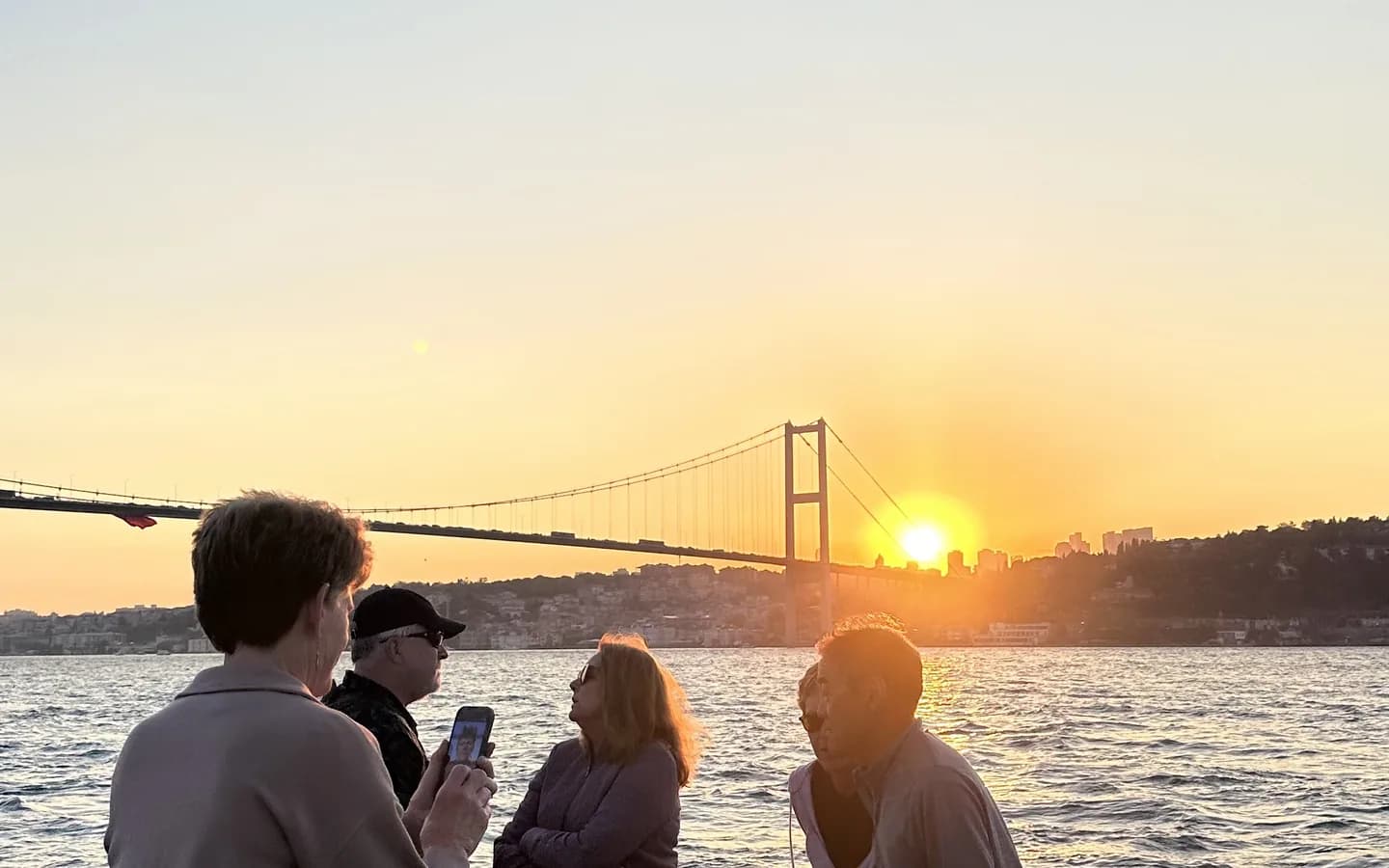
September: 18–26°C, light rain returning (5 days). Arguably the best cruise month — warm, dramatic sunsets, thinning crowds. Water still warm enough for swimming. October: 13–20°C, increasing rain (9 days). Beautiful autumn light and colors. Layering essential for evening cruises. Fish migration season adds activity to the Bosphorus. November: 8–15°C, frequent rain (12 days). Cool and atmospheric. Dress warmly for cruises. Prices drop significantly. The city takes on a moody, atmospheric beauty that photographers love. Autumn (September-November) is widely considered the best season for Bosphorus cruises by experienced travelers — comfortable temperatures of 15-25°C, dramatically colored sunsets created by lower sun angles and atmospheric moisture, and significantly reduced crowds compared to summer months all contribute to what many describe as the optimal cruising experience. The combination of favorable weather, smaller crowds, and discounted shoulder-season pricing makes September and October the months when experienced Istanbul visitors consistently choose to schedule their Bosphorus cruise, securing the optimal balance of comfort, value, and visual spectacle that defines the ideal cruising experience on the strait.
Winter Weather (December–February)
December: 5–10°C, rain and occasional snow (14 rainy days). Cold but atmospheric. Indoor dining on dinner cruises is comfortable. Dramatic skies add character to Bosphorus views. January: 3–8°C, coldest month. Snow possible but rarely heavy. Strong Bosphorus winds can feel bitter. Dress very warmly for deck time. Indoor cruise experiences recommended. February: 3–9°C, similar to January but days begin lengthening. The Bosphorus in winter fog is hauntingly beautiful. Prices at annual lowest. February is the driest winter month (10 rainy days). Winter cruises (December-March) operate with enclosed, heated lower decks that maintain comfortable temperatures regardless of outside conditions — while snow on the Bosphorus is rare (occurring perhaps 2-3 days per winter), the sight of Istanbul's mosques and palaces dusted with white against the grey winter strait is an extraordinary and rarely photographed spectacle that winter visitors occasionally experience.
How Weather Affects Your Cruise Choice
Hot months (June–August): All cruises work well. Sunset and evening cruises avoid midday heat. Swimming yacht tours are best. Mild months (April–May, September–October): Ideal for all cruise types. Best photography light. Comfortable for extended deck time. Cool months (March, November): Layer up. Indoor seating on shorter cruises. Dinner cruise comfortable due to heated dining. Cold months (December–February): Dinner cruise is best (heated indoor dining, shorter outdoor deck time). Short sightseeing cruises work if dressed warmly. Yacht charters have heated salons. The Bosphorus does not freeze (water temperature stays above 6°C) so cruises operate year-round.
“Boğaz'da 30 yıldır seyr-i sefer yapıyorum. Her gün geçişte farklı bir ışık, farklı bir atmosfer var. Bu deneyimi bir kez yaşayan, İstanbul'u gerçek anlamda tanımış olur.”
TURSAB Licensed Since 2001 — Best Price Guaranteed
Ready to Book Your Bosphorus Experience?
What to Do When Weather Changes Mid-Cruise
Istanbul weather can shift quickly, particularly in spring and autumn when a clear morning gives way to afternoon clouds or a brief shower. After operating Bosphorus cruises since 2001, MerrySails has refined its weather response protocols to ensure every sailing delivers a good experience regardless of conditions. All our vessels have enclosed lower decks with panoramic windows, heating in winter, and air conditioning in summer — so a few raindrops never ruin the evening. Our captains monitor real-time weather data from the Istanbul Port Authority and adjust routes when necessary. If a strong north wind picks up, the captain may shorten the northern leg and extend time in the calmer southern strait near Maiden Tower and Dolmabahce Palace, where the water remains sheltered. For severe weather that makes sailing unsafe, MerrySails offers free rescheduling to another date or a full refund — no questions asked. This policy is documented in your booking confirmation. We cancel proactively rather than reactively; our captains will not sail into conditions that compromise passenger comfort or safety. As a TURSAB A Group licensed operator, our safety standards exceed the minimum requirements set by Turkish maritime authorities.
Packing for Istanbul Weather — Season-by-Season Checklist
Packing for an Istanbul cruise requires planning because the temperature on the water is always 3–5 degrees cooler than on land, and wind on the Bosphorus can make it feel even colder. Spring (March–May): Bring layers — a light jacket or windbreaker is essential for evening cruises. Mornings can be cool (12–15 degrees) but afternoons warm to 20–22 degrees. Sunglasses and sunscreen are needed from April onward. Summer (June–August): Light, breathable clothing works during the day, but bring a cardigan for sunset and evening cruises. A hat protects from direct sun on open decks. Stay hydrated — our crew provides water throughout the sailing. Autumn (September–November): The best season for photography but temperatures drop quickly after sunset. A medium-weight jacket and closed shoes are recommended. October evenings can dip to 12 degrees on the water. Winter (December–February): A proper coat, scarf, and hat are necessary for any cruise. Heated indoor areas are available on all vessels, but stepping onto deck for photos requires warm outerwear. Year-round essentials: comfortable flat shoes with grip (decks can be slippery), a bag that zips closed (wind catches open bags), and a fully charged phone or camera.
How Istanbul Weather Affects MerrySails Operations
Running a year-round Bosphorus cruise operation requires seasonal adaptation that goes beyond adjusting departure times. With over two decades of experience, MerrySails has developed a seasonal operations calendar that optimises every aspect of the guest experience. In summer, we add extra sunset cruises to meet demand and extend operating hours until 23:00. Our vessels receive additional shade canopies on upper decks, and the bar menu expands to include chilled ayran, fresh lemonade, and frozen cocktails. Summer crew briefings emphasise hydration checks for guests spending extended time on open decks. Winter operations shift focus to comfort. Indoor heating systems are serviced in October, blankets are stocked on all vessels, and the hot drinks menu expands to include salep (a traditional Turkish winter drink made from orchid root), Turkish coffee (UNESCO intangible heritage — see Ministry of Culture and Tourism), and hot chocolate. Our winter dinner cruise menu features heartier dishes — lamb stew, warm börek, and rich lentil soup — replacing the lighter summer fare. We also adjust our vessel selection seasonally. Larger, more stable boats with better indoor facilities operate the winter schedule, while sleeker, faster yachts with expansive open decks take priority in summer. This rotation ensures every vessel operates in the conditions it handles best. Booking flexibility increases in winter — same-day and next-day bookings are usually possible, and group discounts are more generous during the quieter months.
Frequently Asked Questions
Does it snow in Istanbul?▾
Light snow is possible from December to February but rarely heavy or prolonged. It does not affect cruise operations.
What is the best month for a Bosphorus cruise?▾
September is considered the best overall — warm, dramatic sunsets, manageable crowds. May is a close second.
Do cruises cancel due to weather?▾
Only severe storms (rare) cause cancellations. Light rain, wind, and cold do not cancel cruises. Full refunds are given for weather cancellations.
What should I wear on a Bosphorus cruise in summer?▾
Light, breathable clothing during the day — the Bosphorus breeze makes it 3–5°C cooler than on land. Bring a cardigan or light jacket for sunset and evening cruises even in July, as temperatures drop noticeably after sunset. A hat and sunscreen (SPF 30+) are essential on open decks.
Is a Bosphorus cruise worth doing in winter (December–February)?▾
Yes — winter cruises offer a uniquely atmospheric experience: moody skies, fewer tourists, and significantly lower prices. Dinner cruises have heated indoor salons that are completely comfortable. The Bosphorus in winter mist is hauntingly beautiful, and clear winter days provide exceptional visibility of both bridges.
Local Istanbul Travel Experts
Written by local Istanbul maritime experts with 10+ years of experience operating Bosphorus cruises and yacht charters. Our team lives and breathes Istanbul's waterways.
Related Tours
Ready to Book Your Istanbul Experience?
Best price guaranteed when you book direct. No middleman fees. TURSAB licensed since 2001.