The Bosphorus strait is a 31-kilometre natural channel connecting the Black Sea to the Sea of Marmara, separating Europe from Asia. It is the only waterway in the world lined on both banks with imperial palaces, medieval fortresses, baroque mosques, and centuries-old wooden mansions. UNESCO has recognised several structures along the strait as World Heritage contributors, and the Turkish Ministry of Culture classifies over 600 buildings on the Bosphorus shoreline as protected historical assets. For over 2,500 years, civilisations from the Greeks and Romans to the Byzantines and Ottomans have built along these shores, turning the Bosphorus into an open-air museum visible only from the water. According to <a href='https://www.tursab.org.tr/en' target='_blank' rel='noopener'>TURSAB</a> data, over 3.2 million tourists took a Bosphorus cruise in 2025, making it Istanbul's single most popular tourist activity. A cruise is the only way to see all these landmarks in context — from the water, the architectural timeline of Istanbul unfolds chronologically as you sail north from the Golden Horn.
Top 10 Things to See on a Bosphorus Cruise — Landmarks Guide
A Bosphorus cruise passes some of the most remarkable architecture in the world. Here are the top 10 landmarks you will see, with history, photo tips, and insider knowledge from decades on the water.
Captain Ahmet Yılmaz
TURSAB Licensed, 25+ years maritime experience
Key Takeaways
- A standard Bosphorus cruise passes 10+ major landmarks across two continents — you would need days to visit them all by land
- The European shore holds the grandest Ottoman palaces while the Asian shore offers elegant summer residences and fortresses
- Photography tip: morning light favours the Asian shore, sunset light illuminates the European monuments
- Full-length cruises (6 hours) reach the Black Sea entrance; shorter cruises (1.5–2 hours) cover the southern highlights
Why the Bosphorus Is the World's Most Scenic Waterway
1. Dolmabahce Palace — The Last Ottoman Throne
Dolmabahce Palace is the first major landmark on the European shore, appearing minutes after departure from Besiktas or Kabatas piers. Built between 1843 and 1856 by Sultan Abdulmecid I, this palace replaced Topkapi as the main imperial residence and signalled the Ottoman Empire's embrace of European architectural styles. The palace stretches 600 metres along the waterfront — the longest palace facade of any building on earth. Its 285 rooms contain 36 crystal chandeliers, including the world's largest Bohemian crystal chandelier weighing 4.5 tonnes, a gift from Queen Victoria. The palace served as the headquarters of Mustafa Kemal Ataturk during his visits to Istanbul, and the clock in his bedroom remains stopped at 09:05, the time of his death on 10 November 1938. From the water, the white marble facade with its neoclassical columns and ornate gates is particularly striking in morning light. <a href='https://en.wikipedia.org/wiki/Dolmabah%C3%A7e_Palace' target='_blank' rel='noopener'>Dolmabahce Palace</a> receives over 1.5 million land visitors annually, but the waterfront view — the perspective the sultans intended — is exclusive to cruise passengers.
“Dolmabahce was designed to be seen from the water. The architects oriented every detail of the 600-metre facade toward arriving ships. When you see it from a cruise, you are experiencing the palace exactly as foreign ambassadors did when they arrived by sea to meet the Sultan.”
2. Ortakoy Mosque — Istanbul's Most Photographed Silhouette
Ortakoy Mosque, officially the Buyuk Mecidiye Mosque, sits at the water's edge in the Ortakoy neighbourhood, directly beneath the first Bosphorus Bridge. This juxtaposition of a 19th-century baroque Ottoman mosque against a 20th-century suspension bridge creates one of Istanbul's most iconic images. The mosque was completed in 1856 by the same sultan who built Dolmabahce, and its architect Nikoghayos Balyan blended Ottoman, baroque, and neoclassical elements. The twin minarets and single dome are relatively modest in scale, but the waterfront setting amplifies the visual impact dramatically. The mosque appears on countless postcards, Instagram feeds, and travel magazine covers. From a cruise vessel, you pass within 100 metres of the mosque, close enough to see the intricate stonework and the small fishing boats moored beside it. The view is best in late afternoon when the sun illuminates the facade from the west. The surrounding Ortakoy neighbourhood is known for its kumpir (stuffed baked potato) vendors and weekend artisan market — worth a land visit before or after your cruise.
3. Bosphorus Bridge (15 Temmuz Sehitler Bridge) — Connecting Two Continents
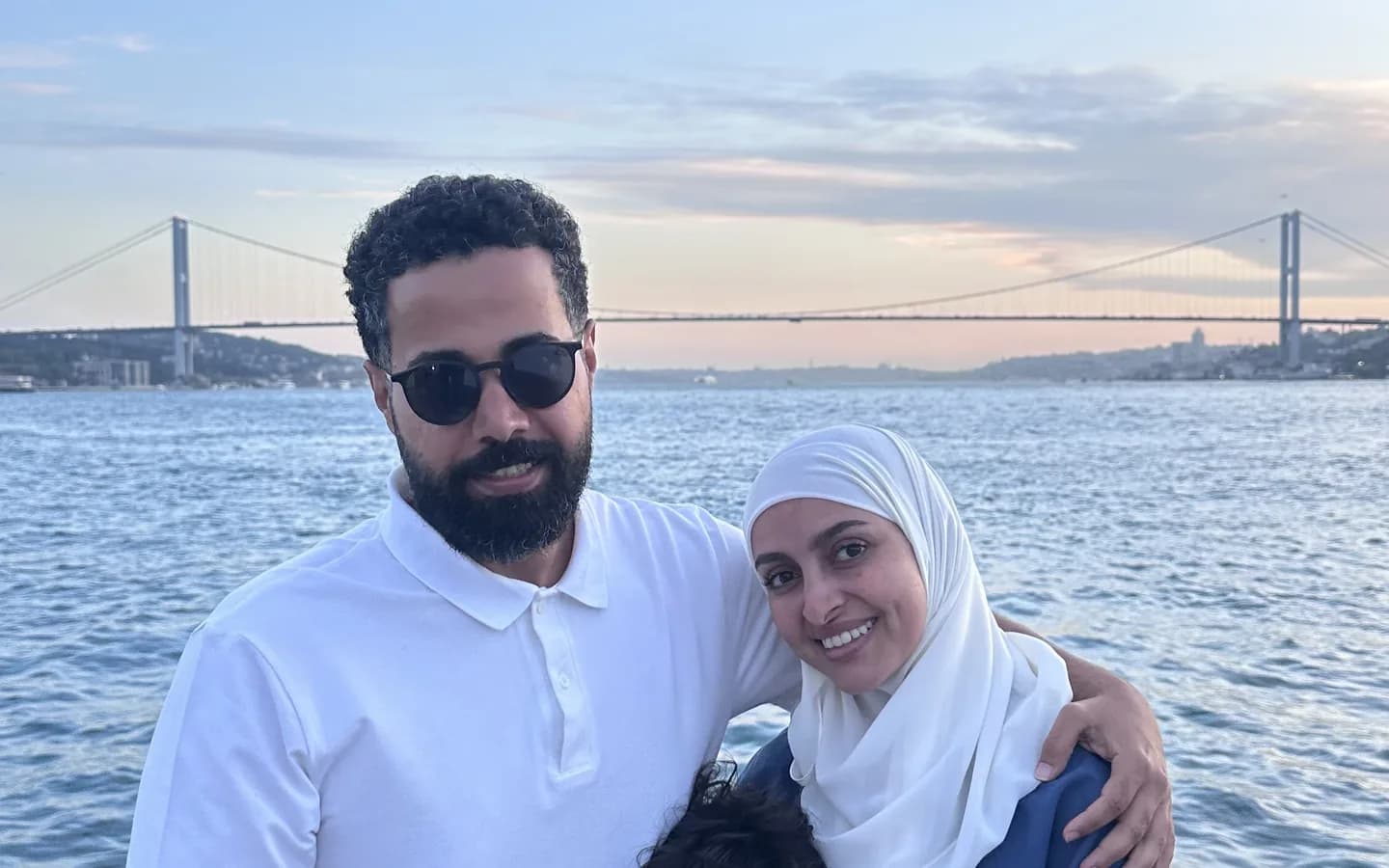
The first Bosphorus Bridge opened on 29 October 1973, the 50th anniversary of the Turkish Republic, finally connecting Europe and Asia by road after millennia of ferry crossings. At 1,560 metres, it was the fourth-longest suspension bridge in the world at the time of completion. Renamed 15 Temmuz Sehitler Koprusu (15 July Martyrs Bridge) in 2016, it carries over 180,000 vehicles daily according to <a href='https://www.dhmi.gov.tr' target='_blank' rel='noopener'>DHMI</a> traffic data. Passing beneath the bridge is a highlight of every Bosphorus cruise — the scale is impressive from water level, and the experience of sailing between two continents is uniquely visceral. At night, the bridge is illuminated with colour-changing LED lights that create stunning reflections on the water, making it a centrepiece of dinner cruises. The bridge deck sits 64 metres above the waterline, high enough for even the largest tankers and container ships to pass underneath. Fun fact for photographers: the best angle is from approximately 200 metres south of the bridge, shooting north with the bridge framing the Bosphorus beyond.
4. Rumeli Fortress — The Castle That Conquered Constantinople
Rumeli Hisari (Rumeli Fortress) is the most historically significant military structure on the Bosphorus. Sultan Mehmed II built it in just four months in 1452, an extraordinary engineering feat, as a prelude to his siege of Constantinople. Positioned at the narrowest point of the strait (just 660 metres wide here), the fortress worked in tandem with <a href='https://en.wikipedia.org/wiki/Anadoluhisar%C4%B1' target='_blank' rel='noopener'>Anadolu Hisari</a> on the opposite shore to create a naval blockade that no ship could pass without Ottoman permission. The three main towers — named after the three viziers who supervised their construction — still stand, and the fortress walls climb steeply up the hillside in a way that looks almost impossible from sea level. After the fall of Constantinople in 1453, the fortress served as a customs checkpoint, then a prison, before being restored as an open-air museum. From a cruise vessel, the fortress is one of the most dramatic sights on the entire strait — the massive stone walls rising directly from the waterline convey military power across six centuries.
“Rumeli Hisari was not just a fortress — it was a statement of intent. When Mehmed had it built in 120 days across the strait from the Byzantine capital, every sailor and diplomat who saw it understood that Constantinople's days were numbered. The walls you see from your cruise are the same walls that sealed the fate of an empire.”
5. Beylerbeyi Palace — The Asian Shore's Hidden Gem
Beylerbeyi Palace on the Asian shore is often overshadowed by Dolmabahce, but many cruise passengers consider it the more elegant of the two. Built in 1865 as a summer residence for Sultan Abdulaziz, the palace blends Ottoman and French Empire styles with a lightness that Dolmabahce's grand scale lacks. The garden terraces descending to the waterfront, the ornamental pools, and the pair of bathing pavilions (one for men, one for the harem) are visible from the water. The palace hosted several foreign heads of state, including Empress Eugenie of France, who was so impressed by a Hereke carpet she saw here that she ordered copies for the Tuileries Palace. From the Asian shore perspective, the palace also offers a perfect framing of the Bosphorus Bridge behind it. Most cruise itineraries pass Beylerbeyi on the return leg, when the afternoon light illuminates the cream-coloured facade beautifully. The palace interior, with its floor of Egyptian reed mats and ceiling paintings by European artists, is worth a separate land visit.
TURSAB Licensed Since 2001 — Best Price Guaranteed
Ready to Book Your Bosphorus Experience?
6. Ciragan Palace — From Ottoman Ruin to Luxury Hotel
Ciragan Palace tells one of the Bosphorus's most dramatic stories. Built in 1871 for Sultan Abdulaziz, it served briefly as the parliament building before a catastrophic fire in 1910 gutted the interior, leaving only the marble shell standing for decades. In 1990, the Kempinski hotel group completed a painstaking reconstruction that preserved the original facade while creating a luxury hotel behind it. Today, the Ciragan Palace Kempinski is consistently ranked among the world's finest hotels. From the water, you see the long marble facade — one of the few Bosphorus palaces where the fire-scarred original stonework and the modern restoration are visible simultaneously. The infinity pool extending toward the Bosphorus is often visible from passing cruise vessels. The palace grounds include the last surviving Ottoman garden layout on the European shore, with 300-year-old plane trees that predate the palace itself. Evening cruises catch the palace illuminated with warm golden light, reflected perfectly in the calm water.
7. Maiden's Tower (Kiz Kulesi) — The Bosphorus Icon
Maiden's Tower sits on a tiny islet near the Asian shore at the southern entrance to the Bosphorus, and its silhouette is probably the most recognised symbol of Istanbul after the Hagia Sophia. The current structure dates from the 18th century, but towers have occupied this spot since at least the 5th century BC. Legend connects it to a Greek myth about a princess locked in a tower to protect her from a prophecy of death by snakebite — the snake arrived hidden in a basket of grapes. The tower has served as a lighthouse, quarantine station, customs checkpoint, and radio station. After a major restoration completed in 2023, it reopened as a cultural venue with exhibitions, a restaurant, and an observation terrace. From a cruise vessel, the tower is a guaranteed highlight — it appears to float on the water, and the view changes dramatically depending on the light. Sunset behind the tower with the Old City skyline in the background is one of Istanbul's most photographed scenes. Tip: position yourself on the port (left) side of the vessel when heading north for the best angle.
8–10: Anadolu Hisari, Fatih Sultan Mehmed Bridge & Waterfront Yalis
The final three landmarks complete the Bosphorus experience. Anadolu Hisari (Asian shore) was built in 1393 by Sultan Bayezid I, making it 60 years older than Rumeli Fortress. The smaller fortress guarded the strait for half a century before Mehmed II completed the blockade. The village surrounding it is one of the best-preserved Ottoman neighbourhoods on the Bosphorus, with narrow lanes and waterfront cafes. The Fatih Sultan Mehmed Bridge (the second Bosphorus crossing, opened 1988) marks the approximate turnaround point for most standard cruises. At 1,090 metres, it frames the view northward toward the Black Sea. Between these major landmarks, the Bosphorus is lined with yalis — traditional Ottoman-era wooden waterfront mansions dating from the 17th to 19th centuries. Approximately 620 yalis were recorded in Ottoman surveys; around 300 survive today. The Zarif Mustafa Pasha Yali (1699) is the oldest, while the Afif Pasha Yali near Yeniköy is one of the largest. These elegant structures represent a unique Turkish contribution to world architecture — wooden mansions built directly over the water on stone foundations. Several yalis have sold for €30–80 million in recent years, making them among the most expensive residential properties in the world.
Captain's Insight
“Ask your guide to point out the 'paint colours' of the yalis — each colour historically indicated the owner's status. Red was reserved for non-Muslim minorities, white for government officials, and brown for the general population. Many original colours have been restored in recent renovation projects.”
Best Cruise Options for Seeing All 10 Landmarks
Not all Bosphorus cruises cover every landmark on this list. The short sightseeing cruise (1.5–2 hours, from €15) covers landmarks 1 through 5 and the Maiden's Tower, turning around near the first bridge. This is sufficient for most visitors and captures the highest concentration of palaces and mosques. The sunset cruise (2.5 hours, from €20) extends slightly further north, typically reaching Rumeli Fortress before turning back in dramatic golden light. The dinner cruise (3.5 hours, from €65) sails the full southern Bosphorus after dark, when illuminated palaces and bridge lights create an entirely different atmosphere. For all 10 landmarks including Anadolu Hisari and the second bridge, choose the full-length Bosphorus cruise (6 hours) or a private yacht charter (from €280 for 2+ hours) where you set the route. MerrySails offers a dedicated landmarks cruise that includes live historian commentary — contact us via WhatsApp for details and current prices.
| Cruise Type | Duration | Price From | Landmarks Covered | Best For |
|---|---|---|---|---|
| Sightseeing | 1.5–2 hrs | €15 | Landmarks 1–5 + Maiden's Tower | First-time visitors, limited time |
| Sunset | 2.5 hrs | €20 | Landmarks 1–6 + Maiden's Tower | Photographers, couples |
| Dinner | 3.5 hrs | €65 | Southern Bosphorus illuminated | Evening experience, entertainment |
| Full-Length | 6 hrs | €25 | All 10 landmarks | History enthusiasts |
| Yacht Charter | 2+ hrs | €280 | Custom route — all landmarks possible | Groups, private experience |
Frequently Asked Questions
How many landmarks can I see on a short Bosphorus cruise?▾
A standard 1.5–2 hour sightseeing cruise passes 6–8 major landmarks including Dolmabahce Palace, Ortakoy Mosque, the Bosphorus Bridge, Beylerbeyi Palace, and Maiden's Tower. The southern Bosphorus has the highest landmark density.
Which side of the boat has better views of Bosphorus landmarks?▾
The starboard (right) side faces the European shore with the grandest palaces and mosques. The port (left) side faces the Asian shore. Most cruises sail north on one side and return on the other, so you see both.
Are Bosphorus landmarks illuminated at night?▾
Yes, major landmarks including Dolmabahce Palace, Ortakoy Mosque, both bridges, and Maiden's Tower are illuminated after dark. The dinner cruise offers the best night-time viewing experience.
Can I stop and visit landmarks during a Bosphorus cruise?▾
Shared cruises follow a set route without stops. A private yacht charter allows you to stop at waterfront locations. For palace interiors, plan a separate land visit — Dolmabahce and Beylerbeyi are open to ticket holders.
Do Bosphorus cruises have guides who explain the landmarks?▾
MerrySails cruises include English-speaking commentary. The sunset and dinner cruises have live guides who share historical context, architectural details, and local stories about each landmark as you pass.
Founder & Senior Captain
Founded Merry Tourism in 2001. Over 25 years navigating the Bosphorus, Captain Ahmet has personally guided more than 50,000 guests through Istanbul's waterways.
Related Tours
Ready to Book Your Istanbul Experience?
Best price guaranteed when you book direct. No middleman fees. TURSAB licensed since 2001.