Turkish people are famously warm and hospitable. The standard greeting is 'Merhaba' (hello) — learning this single word opens doors. Close acquaintances greet with a kiss on each cheek. A handshake with direct eye contact is appropriate for meeting new people in professional or formal settings. When entering a shop or restaurant, greeting the owner or staff with 'Merhaba' is polite and often rewarded with extra attention. Turkish hospitality — recognized by Turkey's Ministry of Culture and Tourism — (misafirperverlik) is deeply ingrained — if offered tea or food, accepting is polite (even a small sip). Refusing can seem rude. You are not obligated to buy anything after accepting hospitality in a shop. Remove shoes when entering someone's home (and at many traditional restaurants). Address older people or authority figures with respect — 'Abi' (older brother) or 'Abla' (older sister) are common respectful terms.
Turkish Etiquette Guide for Istanbul Visitors
Understanding Turkish etiquette enriches your Istanbul experience. From mosque visits to dining customs, here are the cultural tips that show respect and earn warmth.
MerrySails Editorial Team
10+ years Bosphorus cruise operations
Key Takeaways
- Remove shoes before entering mosques, cover shoulders and knees, and observe prayer times when planning visits
- Turks take hospitality seriously — refusing offered tea is mildly rude; accepting and not finishing is completely fine
- Bargaining is expected in bazaars but not in regular shops or restaurants — know where each norm applies
- Learning 5 words (merhaba, teşekkür ederim, evet, hayır, lütfen) genuinely warms interactions with locals
Greetings and Social Etiquette
Mosque Etiquette
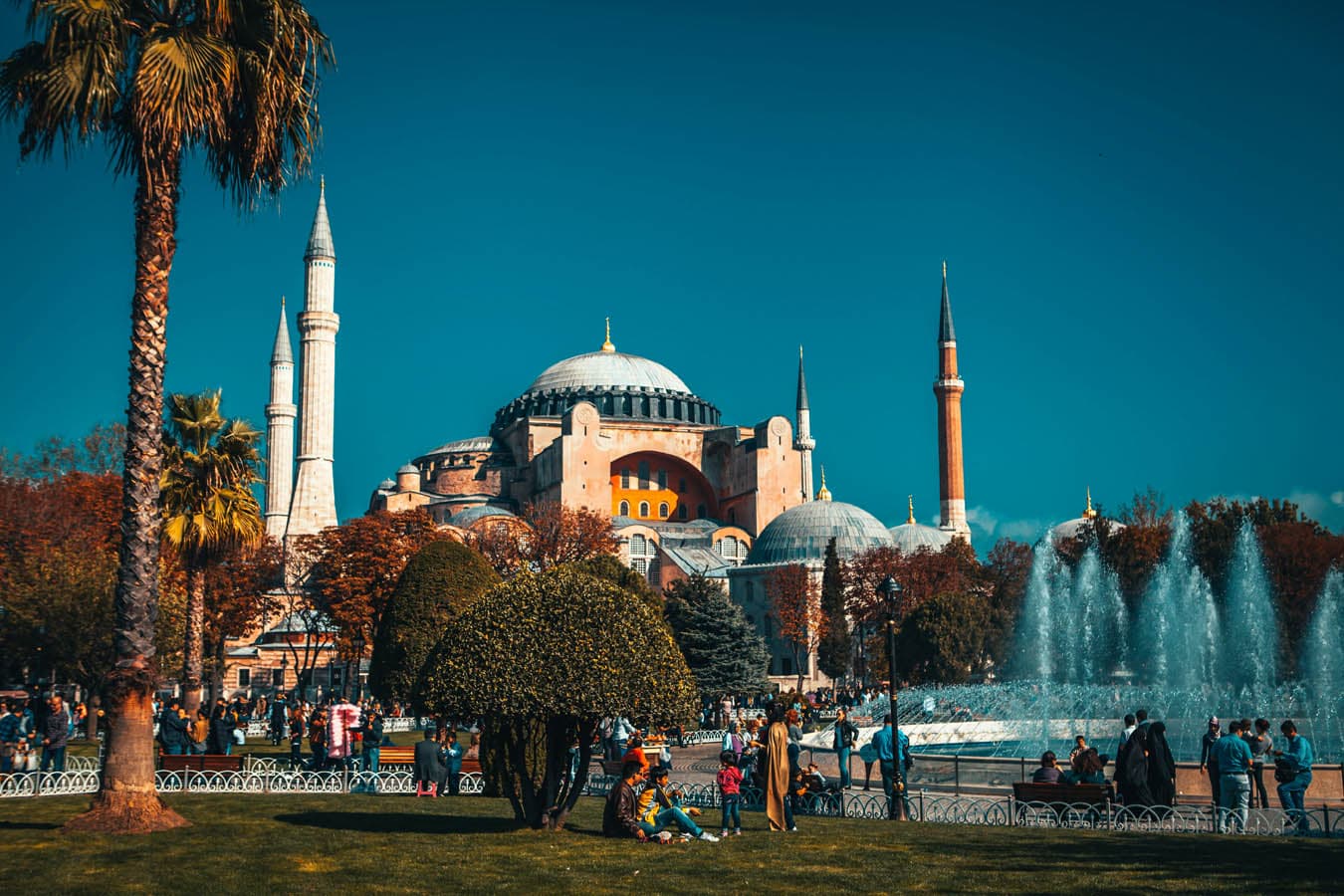
Visiting Istanbul's magnificent mosques is a highlight, but proper etiquette shows respect. Remove your shoes before entering — a shoe rack or plastic bags are provided. Women should cover their heads, shoulders, and knees — large scarves are provided free at major mosques like the Blue Mosque and the Hagia Sophia. Men should wear long trousers (shorts below the knee are sometimes acceptable at less strict mosques). Do not enter the prayer area when prayers are in progress — wait until the prayer concludes or visit between prayer times. Photography is allowed in most mosques but never photograph people praying. Keep your voice low. Turn off phone sounds. Do not point the soles of your feet toward the qibla (prayer direction) wall. Donations to the mosque are appreciated but not required.
“Türk kültüründe misafirperverlik en temel değerdir. Bir çay veya kahve ikramını kabul etmek, saygı ve samimiyetin göstergesidir — bunu asla reddetmeyin.”
Turkish Etiquette — Dining and Tea Culture
Turkish dining has its own customs. When invited for a meal, it is polite to bring a small gift (chocolates, flowers, or fruit). The host typically insists you eat more — 'Afiyet olsun' means 'enjoy your meal' and is said before and after eating. Do not blow your nose at the table. Using bread to scoop food is perfectly acceptable. At restaurants, the person who invites typically pays — going Dutch is not traditional but increasingly common among younger Turks. Turkish tea (çay) is a social ritual — it is offered everywhere, always in small tulip-shaped glasses. Accepting tea is a sign of goodwill. Turkish coffee is served thick and strong with the grounds in the cup — do not drink the sediment at the bottom. Let it settle and leave the last sip.
Turkish Etiquette — Shopping and Bargaining Customs
Bargaining is an art form in Istanbul's bazaars and markets. It is expected in the Grand Bazaar, Spice Bazaar, and street markets but NOT in regular shops, supermarkets, or restaurants. The bargaining process is social — accept tea, discuss the item, express interest, and gradually negotiate price. Starting at 40–50% of the asking price is a common opening. Walking away is a legitimate tactic — the vendor may call you back with a better price. Never bargain unless you intend to buy at an agreed price. Be friendly and good-humored throughout — aggressive bargaining is considered rude. In shops with fixed prices, asking 'Is there a discount?' is acceptable but do not push if the answer is no.
“İstanbul, dünya üzerinde iki kıtada aynı anda var olan tek şehirdir. Bu coğrafi benzersizlik, şehrin her köşesinde hissedilir ve denizden bakıldığında en çarpıcı haliyle ortaya çıkar.”
Turkish Etiquette — General Dos and Don'ts
Do: Learn basic Turkish phrases (it earns enormous goodwill). Respect the call to prayer (do not mock or complain about mosque amplifiers). Tip appropriately (10–15% at restaurants, round up for taxis). Dress modestly when visiting religious sites. Be patient — Turkish life operates at a relaxed pace. Accept hospitality graciously. Don't: Criticize Atatürk (the founder of modern Turkey — highly revered). Point at people with your finger. Show the sole of your shoe toward someone (considered insulting). Make the 'OK' hand gesture (offensive in Turkey). Blow your nose loudly in public. Assume everyone speaks English — attempt Turkish first. Rush through meals — Turkish dining is a leisurely social activity.
TURSAB Licensed Since 2001 — Best Price Guaranteed
Ready to Book Your Bosphorus Experience?
Social Customs and Daily Etiquette
Turkish social customs are rooted in warmth, hospitality, and respect — understanding them transforms your visit from tourist observation to genuine cultural connection. Greetings are important: a handshake is standard in professional and tourist contexts, while friends greet with a kiss on both cheeks. When entering someone's home (and some traditional shops), removing shoes is expected — look for a shoe pile near the door as your cue. Tea (çay) is the social lubricant of Turkish life — it will be offered constantly, and accepting is both polite and delicious. Refusing tea can sometimes be perceived as declining friendship, so even a few sips show appreciation. When visiting mosques, both men and women should dress modestly: covered shoulders and knees, with women additionally covering their hair with a scarf (available free at major mosques). Remove shoes before entering. During the Islamic call to prayer (ezan), which sounds five times daily, there's no need to stop your activities — but lowering your voice and showing respectful awareness is appreciated. Tipping: 10% at sit-down restaurants, round up taxi fares, small tips for hotel staff and hamam attendants. In the Grand Bazaar, bargaining is expected and enjoyed — starting at 40-50% of the asking price is a fair opening offer.
Dining Etiquette and Food Culture
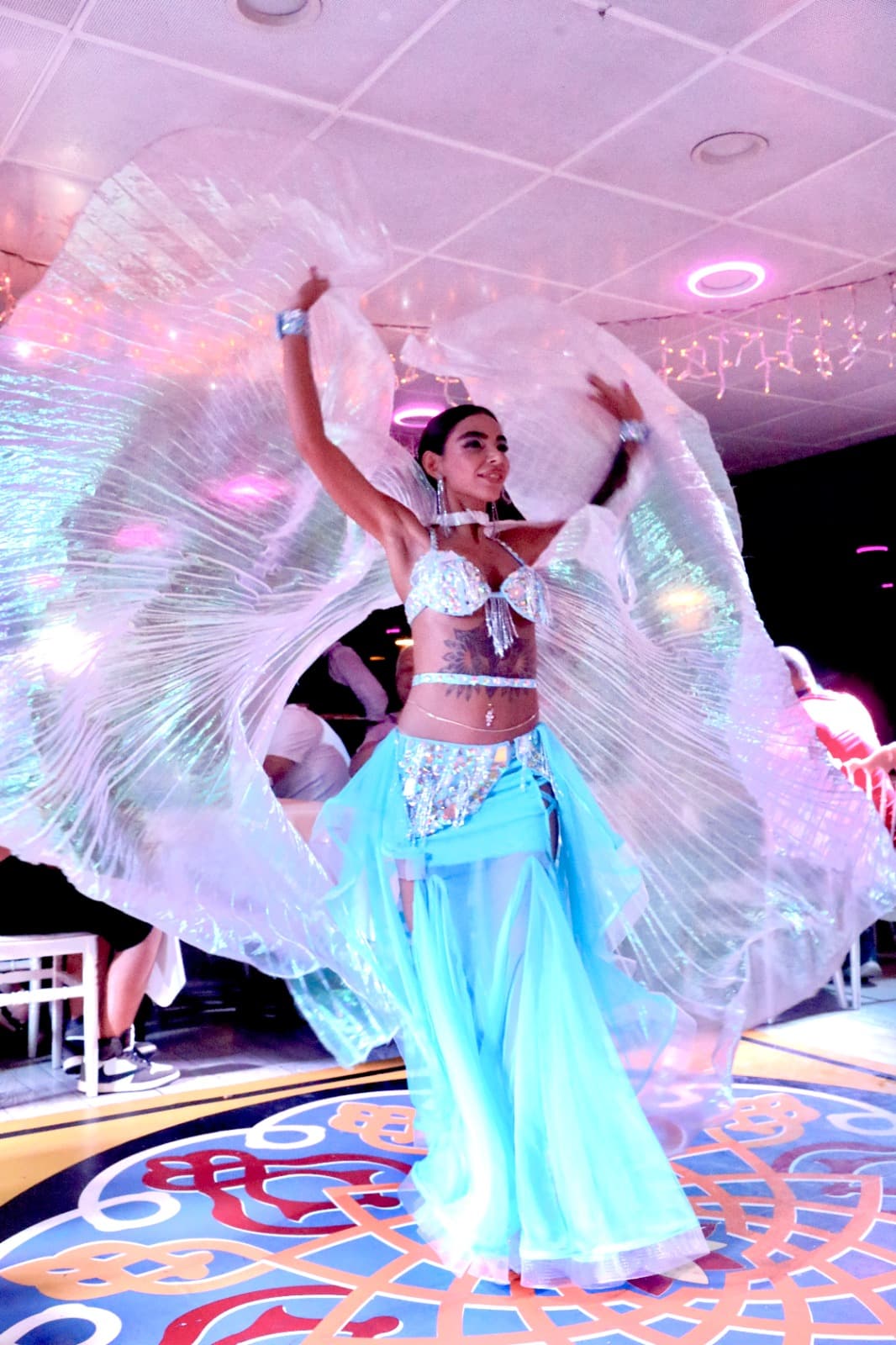
Turkish dining culture is communal, generous, and deeply social — meals are shared experiences rather than individual events. When invited to a Turkish meal, arriving with a small gift (chocolates, flowers, or pastries from a good bakery) is customary and appreciated. At the table, wait for the host to indicate seating and begin eating. Turkish meals often start with soup or meze (small shared plates), followed by a main course and dessert, with tea or Turkish coffee to close. Bread (ekmek) accompanies every meal and is treated with respect — you'll notice Turks never place bread upside down or throw it away. When sharing meze plates, use your own utensils or the communal serving spoon — reaching into shared plates with your hands is perfectly acceptable for bread but not for other dishes. Raki, the anise-flavored national spirit, has its own culture: it's diluted with water (turning milky white, earning the nickname 'lion's milk'), sipped slowly alongside meze, and associated with long, philosophical conversations. On our dinner cruises, we introduce international guests to Turkish dining customs as part of the experience — our crew guides you through the courses and traditions, making the cultural dimension as rich as the cuisine itself.
Turkish Etiquette — Cultural Sensitivities for Tourists
Respectful cultural awareness enriches your Istanbul experience and earns genuine warmth from locals. Photography: always ask permission before photographing people, especially in conservative neighborhoods and at religious sites. Most Turks are happy to be photographed and will often pose enthusiastically, but consent matters. During Ramadan (dates vary annually — check before your trip), eating, drinking, and smoking in public during daylight hours is insensitive, even though tourists aren't expected to fast. Many restaurants remain open for tourists, but showing awareness during this holy month is deeply appreciated. Political topics should be approached with sensitivity — Turks are passionate about their country and enjoy discussing culture and history, but foreign visitors offering strong political opinions can create awkward situations. Instead, show genuine curiosity: asking 'What do you think about...?' is always better received than stating 'I think Turkey should...'. The Turkish flag is treated with great respect — never sit on it, place items on it, or treat it casually. In terms of dress, Istanbul is a modern, cosmopolitan city where you'll see every style from designer fashion to traditional coverings. Outside of religious sites, dress as you would in any European city — the key is cleanliness and neatness rather than specific rules. On our cruises, our multicultural crew bridges cultural gaps naturally, helping international guests feel comfortable while respecting Turkish traditions.
Frequently Asked Questions
Is tipping expected in Istanbul?▾
Yes — 10–15% at restaurants (check if service charge is included), round up taxi fares, ₺20–30 per bag for hotel porters, ₺30–50 for hamam attendants.
What should I wear in Istanbul?▾
Istanbul is cosmopolitan — casual Western clothing is fine. Cover up for mosque visits. Avoid very revealing clothing in conservative neighborhoods outside the tourist areas.
Is alcohol available in Istanbul?▾
Yes, widely available in restaurants, bars, hotels, and shops. Turkey is a secular country. However, it is polite to be discreet during Ramadan.
Can I take photos inside mosques in Istanbul?▾
Photography is allowed in most Istanbul mosques, but never photograph people in prayer. Avoid using flash, keep your voice low, and move quietly. During prayer times (approximately 5 times daily), non-Muslim visitors should wait outside or in designated areas. The Hagia Sophia and Blue Mosque are the most visited.
What is the polite way to greet someone in Turkey?▾
A handshake with direct eye contact is standard for new acquaintances. Close friends greet with a kiss on each cheek. Learning basic Turkish phrases earns significant goodwill — 'Merhaba' (hello), 'Teşekkür ederim' (thank you), and 'Lütfen' (please) go a long way with locals.
Local Istanbul Travel Experts
Written by local Istanbul maritime experts with 10+ years of experience operating Bosphorus cruises and yacht charters. Our team lives and breathes Istanbul's waterways.
Related Tours
Ready to Book Your Istanbul Experience?
Best price guaranteed when you book direct. No middleman fees. TURSAB licensed since 2001.